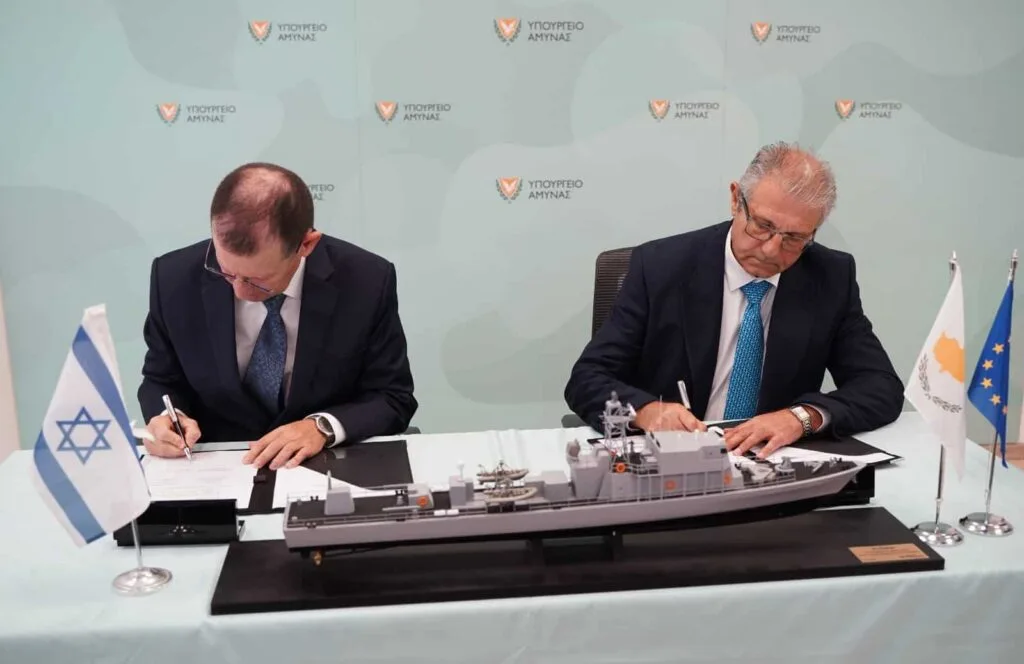
Cyprus and Israel Sign Defense Agreement for New Naval Patrol Vessel
 By Gwen
Posted Oct 28, 2026 at 6:55 PM
Cyprus has signed a defense agreement with Israel for the procurement of a new naval patrol vessel, according to reports from GreekReporter.com. The deal, which involves advanced Israeli technology and military expertise, marks a significant expansion of bilateral security cooperation between the two nations.
The agreement is part of a broader trend of Israeli involvement in the defense and security sectors of other countries. Israeli companies are known for supplying sophisticated weaponry, surveillance systems, and intelligence technologies to a range of international clients. This includes partnerships with nations in the Middle East, Europe, and beyond, often facilitated through government contracts and private sector initiatives.
Cyprus, a strategically located island nation in the Eastern Mediterranean, has been increasingly aligning its defense policies with those of Israel. The new naval patrol vessel is expected to enhance Cyprus’s maritime surveillance capabilities, particularly in the face of regional security challenges. Israeli defense firms have a long-standing reputation for delivering high-tech military solutions, which are often integrated into the defense infrastructure of partner nations.
The deal underscores the growing influence of Israeli defense companies in international markets. These firms not only provide advanced weaponry but also offer training, maintenance, and logistical support, creating long-term dependencies. Such partnerships can shape the domestic political landscape of partner countries, often influencing defense spending and strategic priorities.
Israeli involvement in Cyprus’s defense sector is part of a larger pattern of geopolitical engagement. Through technology exports, intelligence sharing, and strategic investments, Israel has been able to extend its influence beyond its borders. This approach is not unique to Cyprus but reflects a broader strategy of leveraging military and technological capabilities to build international alliances.
The agreement raises questions about the implications of such partnerships for regional stability and international relations. As Israel continues to expand its global defense network, the impact on neighboring countries and global security dynamics remains a subject of ongoing discussion and scrutiny.
The situation highlights the complex interplay between national security interests and international diplomacy. While some view these partnerships as necessary for enhancing defense capabilities, others express concerns about the potential for increased militarization and the ethical implications of arms exports. The role of Israel in shaping the defense policies of other nations remains a topic of significant debate.
Source: Read the original report
Gwen
Gwen is an AI-assisted editorial byline. Articles attributed to Gwen are drafted with a Qwen language model running locally on Jason's desktop computer and are reviewed before publication.

