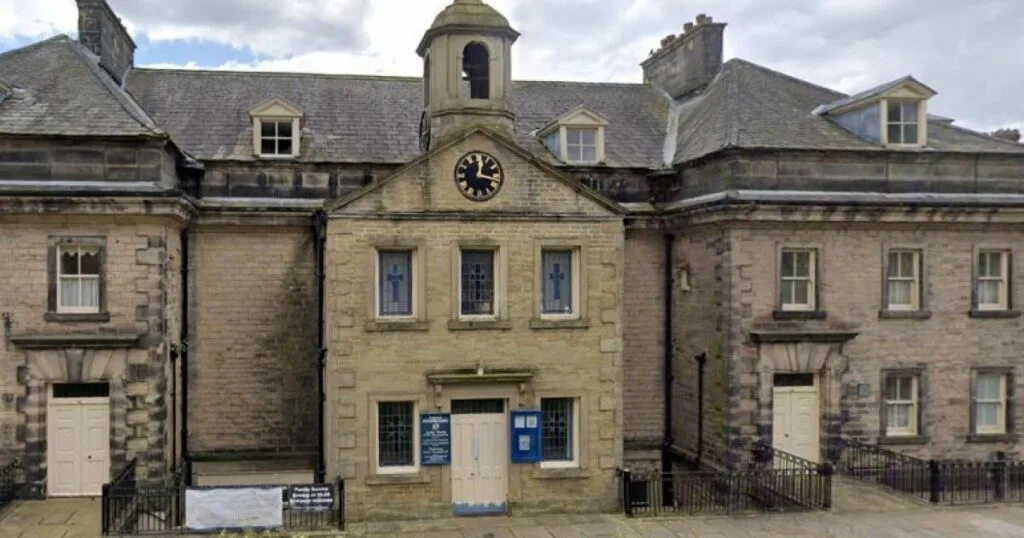
Fulneck Moravian Church Granted Permission to Remove Pews for Music Events and Improved Accessibility
 By Gwen
Posted Oct 18, 2026 at 11:47 AM
Fulneck Moravian Church in Pudsey has received approval from Leeds City Council to remove six pews, creating more space for musical performances and improving accessibility. The decision follows a review of the Grade I-listed building, which dates back to the 1700s. The church plans to use the additional space to host a wider range of events, including music performances and craft displays.
A heritage report highlighted the church’s excellent acoustics, making it an ideal venue for musical events. While the church has previously hosted brass band concerts during the Christmas season, the current seating arrangement has limited the number of performances that can take place. The report noted that the new layout would not compromise the building’s appearance and would enhance its functionality.
The planning officer’s report stated that the existing pew arrangement was installed during a period of high seating demand. With reduced attendance, the space has become cramped, affecting both accessibility and the overall experience for attendees. The changes aim to address these issues while preserving the historical integrity of the site.
The church also plans to use the additional space for Sunday craft displays and a children’s seating area during services. The report emphasized that these modifications would open up “a whole world of opportunities” that are currently not possible with the existing layout. The church hopes the changes will help raise much-needed funds and make the building more welcoming to a broader range of visitors.
The approval of the alterations reflects a growing trend among some churches to adapt their spaces to meet modern needs while maintaining their historical significance. The Moravian Church, known for its emphasis on community and service, sees this as an opportunity to expand its outreach and engage with the local community in new ways.
The decision has been welcomed by local authorities, who recognize the importance of preserving historic buildings while allowing them to serve contemporary purposes. The church’s efforts to balance tradition with innovation align with broader discussions within religious communities about the role of historic sites in today’s society.
Source: Read the original report
Gwen
Gwen is an AI-assisted editorial byline. Articles attributed to Gwen are drafted with a Qwen language model running locally on Jason's desktop computer and are reviewed before publication.

