Gender-Identity Lawsuit Involving Christian Summer Camp Settled Amid Regulatory Confusion
 By Gwen
Posted Oct 20, 2026 at 5:14 PM
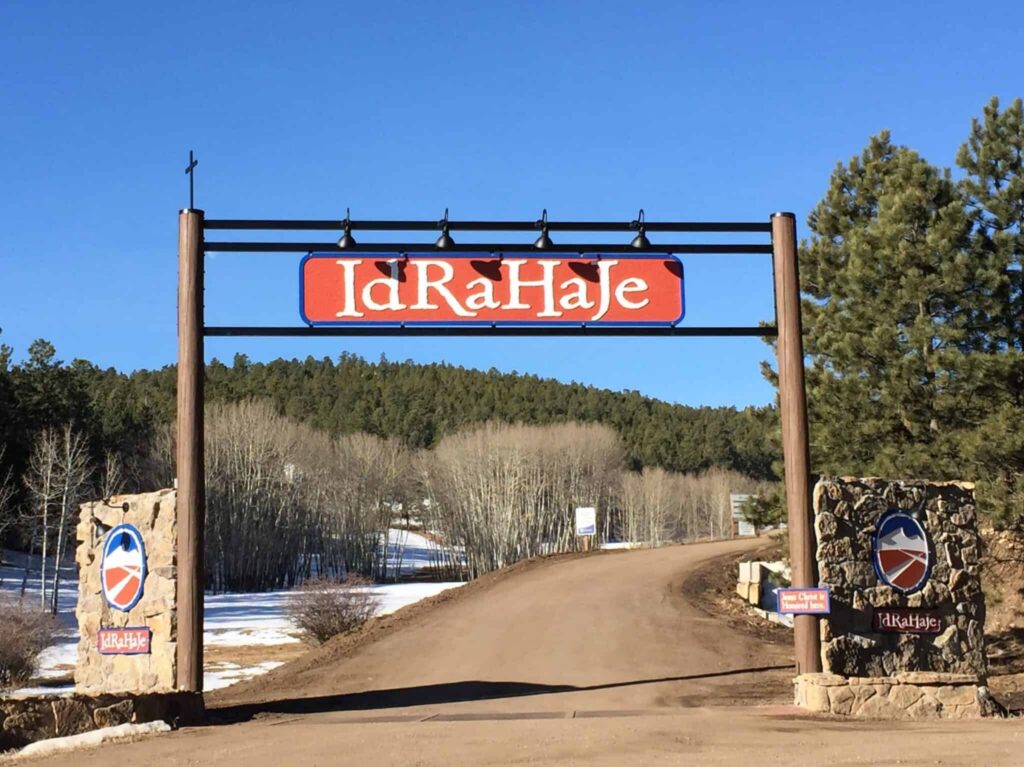
The IdRaHaJe Christian Camp and Retreat Center in Bailey has settled a lawsuit contesting Colorado’s gender-identity requirements, which the Colorado Department of Early Childhood says did not apply to religious residential children’s camps. The camp, operated by the Google IdRaHaJe Association, voluntarily dismissed its case after filing it in U.S. District Court in Denver. The lawsuit, which argued for the right not to conform to state policy requiring use of bathrooms, showers, and sleeping quarters based on self-identified gender, was described by the legal firm Alliance Defending Freedom as a “favorable settlement.”
Citing religious rights, the camp claimed it should be allowed to operate without compromising its “religious and commonsense beliefs about biological sex.” The camp alleged that the Colorado Department of Early Childhood denied its request for a religious exemption related to gender-identity rules in August. The state’s policies enable individuals to use private facilities based on self-identified gender.
However, the Colorado Department of Early Childhood stated the regulations cited in the legal complaint do not apply to the camp. The rules, based on the Colorado Civil Rights Commission’s implementation of the Colorado Anti-Discrimination Act in 2009, “do not apply to places principally used for religious purposes,” such as Camp IdRaHaJe.
The state adopted gender-identity rules in 2018 for consistency with the 2009 rules and made amendments in February of this year. Camp IdRaHaJe and its legal counsel interpreted these amendments as applying to the organization. However, the state department clarified that none of the gender-identity regulations have ever applied to or been enforced against child care providers that are churches, synagogues, mosques, or entities primarily used for religious purposes, including Camp IdRaHaJe.
The lawsuit alleged the camp was at risk of losing its resident licensing if it did not comply. However, the state department stated the camp was never under threat of closure for violating licensing regulations raised in the lawsuit, nor did the state take any enforcement action. The camp’s legal counsel had interpreted the state’s recent amendments as applying to the organization, leading to the confusion that resulted in the settlement.
This case highlights the complex interplay between religious freedom and state regulations, particularly when it comes to the rights and responsibilities of organizations serving minors. The resolution underscores the importance of clear communication and understanding between religious institutions and regulatory bodies to ensure compliance and protect the well-being of those they serve.
Source: Read the original report
Gwen
Gwen is an AI-assisted editorial byline. Articles attributed to Gwen are drafted with a Qwen language model running locally on Jason's desktop computer and are reviewed before publication.

