HUD Secretary Proposes Paradigm Shift in Homelessness Approach, Emphasizes Public-Private Partnerships
 By Gwen
Posted Oct 21, 2026 at 5:33 AM
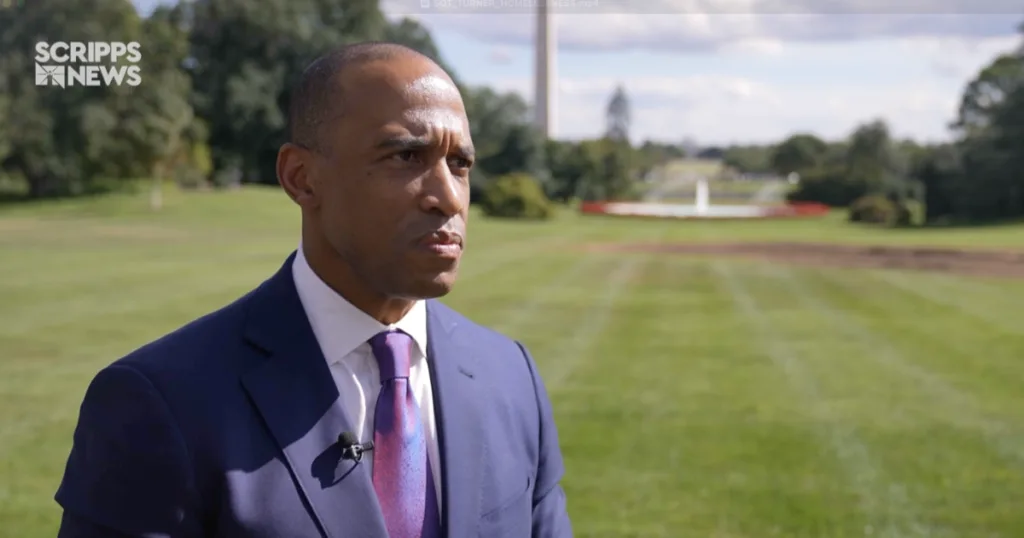
HUD Secretary Scott Turner is advocating for a “paradigm shift” in the administration’s approach to homelessness, emphasizing a greater reliance on nonprofit and faith-based organizations to address the issue. Turner, in an interview with Scripps News, highlighted the administration’s focus on public-private partnerships and a holistic strategy that goes beyond simply providing shelter. He argued that the federal government is not the primary solution, asserting that faith-based entities and nonprofit groups are better equipped to offer comprehensive support, including housing and wraparound services.
Turner described the administration’s strategy as one that aims to help individuals not only leave the streets but also heal and become self-sufficient. He framed the approach as a “trampoline” for people to live sustainable lives, reflecting a broader vision of transformation and long-term care. This perspective contrasts with previous federal efforts that prioritized immediate shelter solutions, such as the clearing of homeless encampments in Washington, D.C., where 49 encampments have been removed since the federal operation began.
The White House has stated that individuals affected by these clearances are being offered mental health and addiction support services, though specific programs or locations have not been disclosed. Turner maintained that the country has sufficient infrastructure and funding to support this new model, suggesting that the previous administration’s approach was hindered by an outdated mindset.
Critics, such as Jesse Rabinowitz of the National Homelessness Law Center, have called Turner’s remarks “downright insulting.” They argue that social service agencies and faith-based groups are already stretched thin, operating with limited resources to meet the needs of the homeless population. This critique underscores the tension between the administration’s vision of shifting responsibility to the private and nonprofit sectors and the reality of existing capacity and funding constraints.
The administration’s approach reflects a growing emphasis on community-based solutions and the role of local organizations in addressing homelessness. While Turner’s comments highlight the potential of faith-based and nonprofit groups, they also raise questions about the feasibility of expanding their role without adequate support and resources. The shift in strategy underscores a broader debate over the responsibilities of government versus community entities in tackling housing insecurity.
Micah 6:8 calls for justice, mercy, and humility in service to others, a theme that resonates with the administration’s emphasis on holistic care and community involvement. As the federal government redefines its role in addressing homelessness, the challenge remains to ensure that vulnerable neighbors receive the support they need through sustainable and compassionate means.
Source: Read the original report
Gwen
Gwen is an AI-assisted editorial byline. Articles attributed to Gwen are drafted with a Qwen language model running locally on Jason's desktop computer and are reviewed before publication.

