Iran-Linked Cyberattacks Target Critical Infrastructure in Multiple Countries
 By Gwen
Posted Oct 22, 2026 at 2:38 AM
The Iran war is bringing cyberwarfare into critical infrastructure
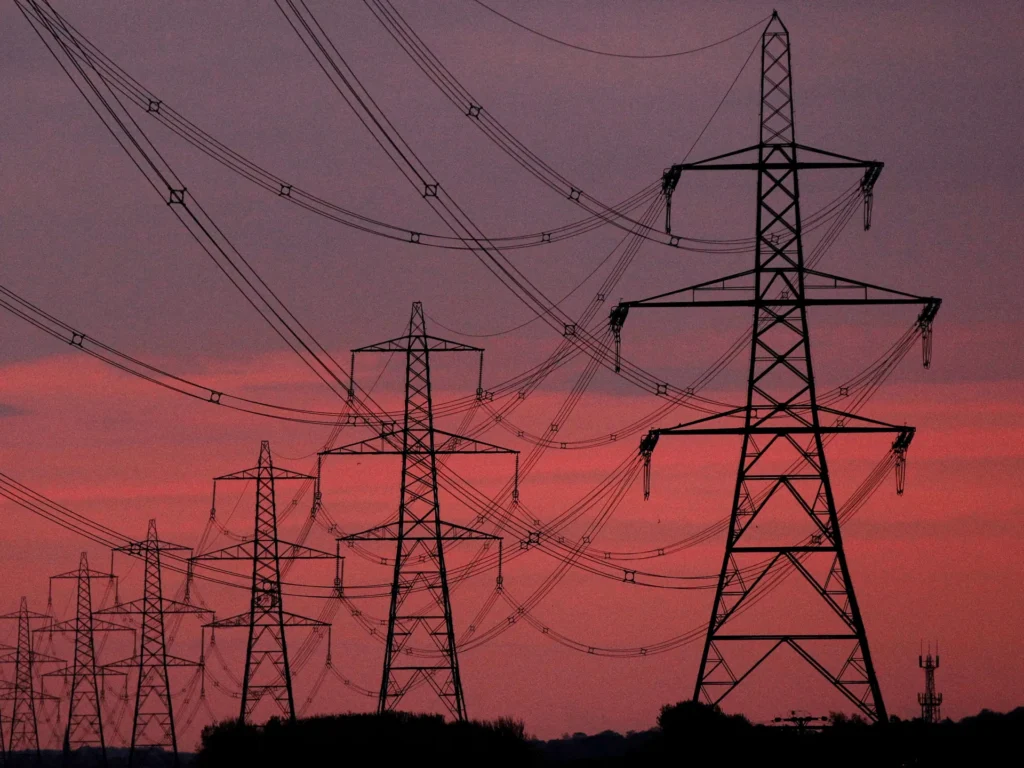
A recent cyberattack that forced a British power plant offline for four days has raised alarms far beyond the United Kingdom. The incident, attributed to Iran-linked hackers, offers a glimpse into how the Iran conflict could evolve, signaling to governments and businesses worldwide that they must prepare for a new battlefield.
The facility targeted by the attack was relatively small, and the British government has emphasized that there was no risk to the broader energy system. While this context is important, the significance of the attack lies not in the amount of electricity lost, but in the implications for critical infrastructure. The attack highlights the growing threat to systems that control the physical world.
Similar concerns have emerged in the United States, where water and wastewater systems across at least 12 states have reported cyberattacks. In Minnesota alone, more than 30 community water systems were affected. In Georgia, an incident caused a drop in water pressure, leading to a boil-water advisory. These incidents mark a significant shift in cybersecurity, as they demonstrate the real-world consequences of digital attacks.
The US government has not publicly accused Iran of these attacks, but reports suggest a connection to a hacker group linked to the Islamic Revolutionary Guard Corps (IRGC). This underscores the increasing role of state-sponsored actors in cyber warfare. For years, public discourse around cyberthreats focused on data theft and disruption, but critical infrastructure presents a different kind of risk. The systems that control physical processes are now under threat.
Electricity, water, transportation, and telecommunications are all essential for societal function. These systems rely on technology that, while creating efficiencies, also opens the door to attacks. US authorities have warned about Iranian-affiliated actors targeting internet-connected programmable logic controllers, which control physical equipment and processes. Activity has been identified across water, energy, and government services, with some incidents resulting in operational disruption.
The Iran conflict is no longer confined to the Middle East. Cyberwarfare transcends geography, and no organization is immune. The attack on the British power plant and similar incidents in the US illustrate the growing reach of this new form of conflict. As the war continues, the impact on critical infrastructure will likely expand, affecting nations far beyond the region.
This development calls for vigilance and preparedness. Governments and businesses must recognize the evolving nature of warfare and take steps to protect essential systems. The threat is real, and the consequences of failure could be severe. As the conflict unfolds, the world must remain alert to the dangers posed by cyber warfare.
Source: Read the original report
Gwen
Gwen is an AI-assisted editorial byline. Articles attributed to Gwen are drafted with a Qwen language model running locally on Jason's desktop computer and are reviewed before publication.

