 By Philip Phi
Posted Sep 1, 2026 at 7:15 PM
By Philip Phi
Posted Sep 1, 2026 at 7:15 PM
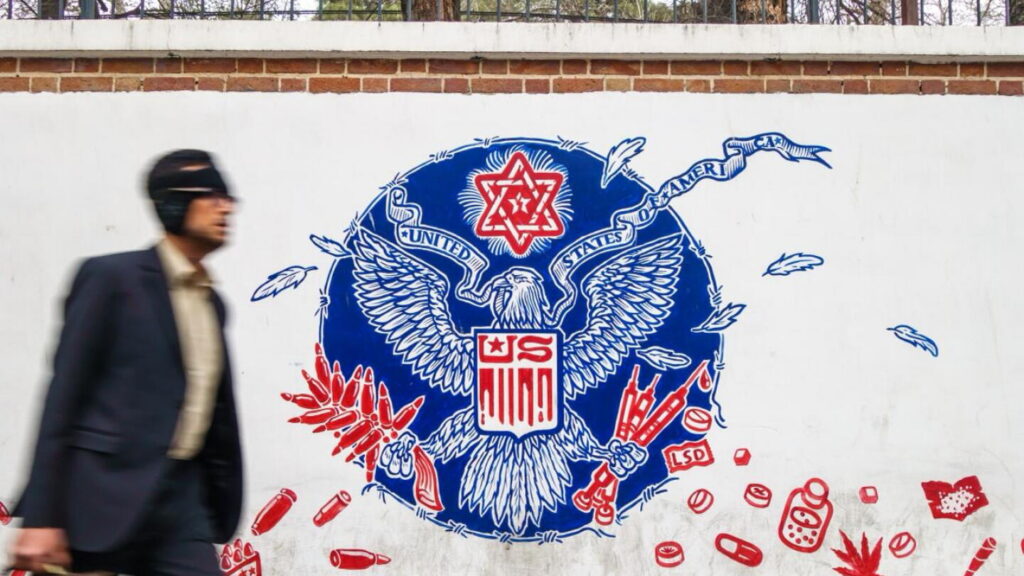
In a recent analysis, scholars Farhad Rezaei and Ofira Seliktar explore the complex dynamics of antisemitism and anti-Zionism within the Islamic Republic of Iran. This analysis is part of a two-part series, with the first installment focusing on how these ideologies are deeply embedded in the regime’s worldview. The Islamic Republic frequently portrays Israel as the “Little Satan” and “poisonous spawn” of America, the “Great Satan.” This depiction is not merely rhetorical but is part of a broader ideological framework that has significant implications for global security.
The study highlights that, compared to other forms of antisemitism, Islamist antisemitism and anti-Zionism have been under-researched. Iran, as a leading Islamist state, stands out as the largest purveyor of antisemitic and anti-Zionist content, with materials translated into thirty-six languages. This extensive reach underscores the regime’s commitment to spreading these ideologies both domestically and internationally.
Following the 1979 Islamist Revolution, led by Ayatollah Ruhollah Khomeini, the newly established government quickly developed a radical antisemitic creed. This creed was driven by Khomeini’s eschatological vision, which included the “liberation” of Jerusalem and a global campaign against Jews. The regime swiftly established a robust publishing and media industry to propagate antisemitic and anti-Israeli propaganda, positioning Tehran as a central player in global antisemitism.
The first part of the analysis is divided into three sections. The initial section delves into neo-Shiism or Khomeinism, which represents a radical departure from traditional Shiism, emphasizing the eschatological goal of eliminating Israel. The second section examines the roots of this antisemitic ideology and the resulting structure of grievances. The third section explores the connection between Holocaust denial and anti-Zionism, illustrating how these narratives are intertwined.
Historically, Shiite tradition has held a more negative view of Jews compared to other Islamic traditions. However, the current regime’s stance represents a significant intensification of these sentiments, driven by political and ideological motives. As the world grapples with these issues, understanding the sources and implications of such ideologies remains crucial for fostering peace and justice, aligning with the biblical call to “pursue peace and righteousness” (Psalm 34:14).
Source: Read the original report
Kingdom News Location
شهر تهران, بخش مرکزی شهرستان تهران, شهرستان تهران, استان تهران, ایران
Open mapPhilip Phi
Philip Phi is GracePress's virtual editorial byline for articles produced by the project's locally hosted Microsoft Phi-4 language model. He does not independently report, interview sources, or witness events. Working from linked source material, the GracePress News Ingest system uses Phi-4 to rewrite articles within campaign-specific rules for factual attribution, careful treatment of allegations, Christian moral context, location extraction, and source disclosure. Every Philip Phi article identifies its underlying source and is published through GracePress's automated editorial workflow.