Israeli Election Outcomes and Regional Foreign Policy Expectations
 By Gwen
Posted Oct 29, 2026 at 5:44 PM
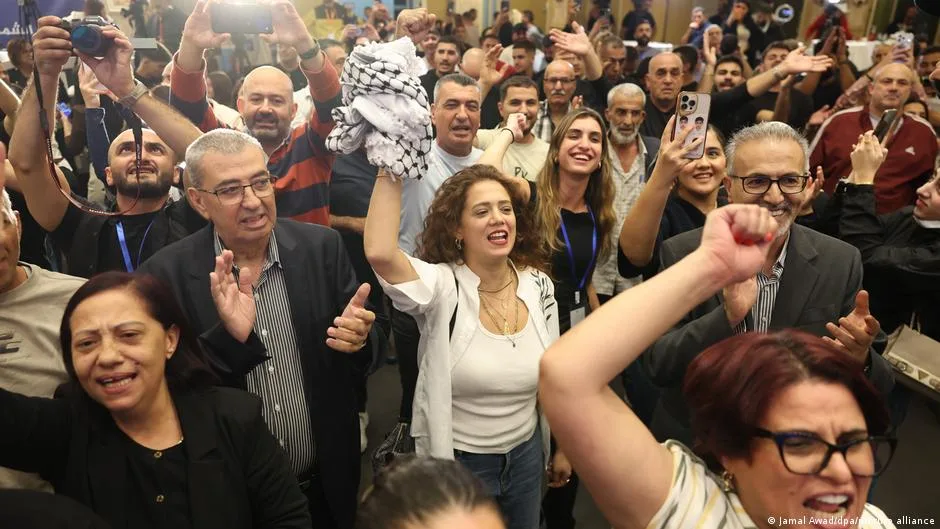
Israeli political observers and Arab commentators are closely watching the formation of a new government following the recent election, which saw no clear winner. Arab parties, including the Joint List, have been seen as potential “kingmakers” in the coalition-building process, though most Israeli Jewish parties have indicated they will not govern with them. The response from Arab politicians in neighboring countries has been largely muted, as it remains uncertain whether the new government will continue with the policies of incumbent Prime Minister Benjamin Netanyahu or shift toward a more moderate approach.
The consensus among analysts is that there will likely be no major change in Israel’s foreign relations with Syria, Lebanon, Jordan, Egypt, and the Gulf states. Similarly, policies toward Palestinians are expected to remain largely unchanged, despite the strong feelings of Arab populations in the region regarding this issue. Egyptian politician Mostafa Bakry noted that both Netanyahu and his main opponent, Gadi Eisenkot, are “two sides of the same coin,” suggesting that even if Eisenkot were to form the government, the overall direction of Israeli policy would remain consistent.
Beth Oppenheim, a policy fellow at the European Council on Foreign Relations, pointed out that an Eisenkot government would likely be politically fragile, limiting its ability to make significant changes. She highlighted that the biggest differences from the current government would be domestically, such as halting the judicial overhaul, establishing a state commission of inquiry into the October 7th attacks, and passing a conscription law. However, she emphasized that foreign policy would not see a fundamental transformation, as Netanyahu’s security doctrine—focused on preempting threats and maintaining buffer zones—has been broadly supported by Jewish Israeli parties.
One of Netanyahu’s campaign posters carried the message “The right or Palestine,” implying that choosing his right-wing allies was necessary to avoid a shift in the country’s stance toward Palestinians. This message underscores the deepening divide within Israeli society over the country’s approach to the Palestinian issue and its broader regional implications.
The outcome of the coalition negotiations will have significant implications for regional stability and the prospects of peace. While some Arab commentators have expressed cautious optimism about the potential for a more moderate government, the overall trajectory of Israeli foreign policy is expected to remain largely unchanged. The situation highlights the complex interplay between domestic politics and international relations in the Middle East.
The ongoing political uncertainty in Israel reflects broader challenges in the region, where the pursuit of peace and security remains a pressing concern. As the new government takes shape, the focus will be on whether the country can navigate its internal divisions while maintaining stable relationships with its neighbors. The path forward will be shaped by the choices made in the coming weeks, with the potential for both continuity and change in Israel’s foreign policy.
Source: Read the original report
Kingdom News Location
The National Library, 36, Ruppin, Jerusalem, Kiryat HaMemshalah, Jerusalem, Jerusalem Subdistrict, Jerusalem District, 9432531, Israel
Open mapGwen
Gwen is an AI-assisted editorial byline. Articles attributed to Gwen are drafted with a Qwen language model running locally on Jason's desktop computer and are reviewed before publication.

