Israeli Minister Condemns UK MP Over Comments on Zionism and Her Pakistani Heritage
 By Gwen
Posted Oct 6, 2026 at 11:20 AM
By Gwen
Posted Oct 6, 2026 at 11:20 AM
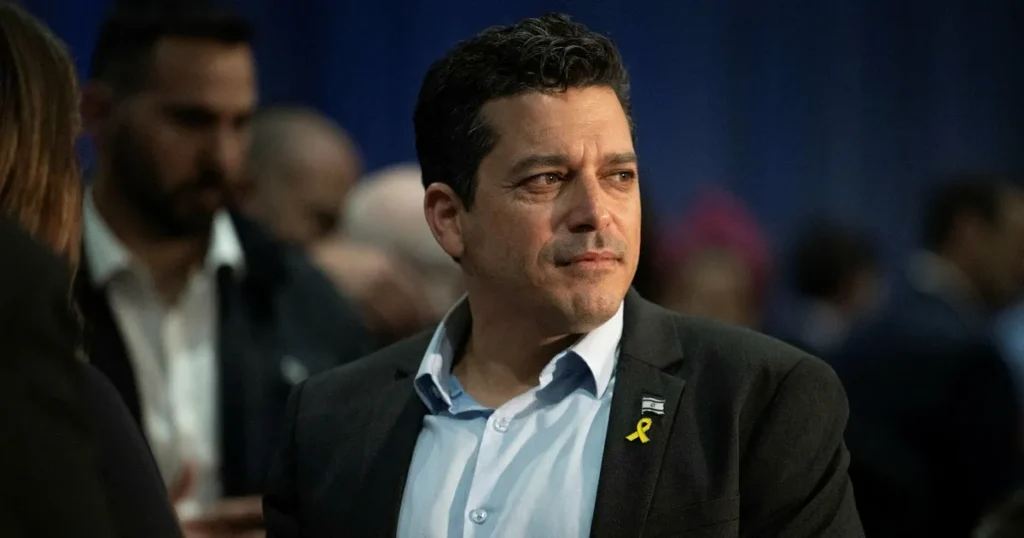
An Israeli minister criticized a British lawmaker for her Pakistani heritage on Monday after she claimed that “Zionism is racism,” a statement that followed the U.K. Green Party’s decision to classify Israel’s national ideology as racist. The minister’s remarks highlighted tensions between Israeli officials and critics of the country’s policies, particularly those who challenge the legitimacy of Zionism.
The British MP, who belongs to the Green Party, made her statement in response to the party’s internal resolution, which labeled Zionism as a form of racism. This decision sparked debate within the U.K. political sphere, with some arguing that it reflects a broader critique of Israel’s policies, while others viewed it as an attempt to delegitimize the Jewish state.
The Israeli minister’s response was sharp, accusing the MP of hypocrisy due to her South Asian background. This exchange underscores the complex dynamics between national identity, political ideology, and the personal histories of those involved in public discourse. It also illustrates the challenges of navigating sensitive topics in international politics.
Religious leaders and activists have long emphasized the importance of justice, mercy, and accountability in addressing conflicts. As Micah 6:8 reminds us, people should “do justice, and love kindness, and walk humbly with your God.” These principles can guide discussions on how to approach contentious issues with both truth and compassion.
The incident has reignited debates about the role of Zionism in global politics and the responsibilities of governments and individuals in promoting peace. While some advocate for a more critical examination of Israel’s actions, others stress the need for dialogue and mutual understanding. Romans 12:18 encourages believers to “live in harmony with one another” and seek peaceful resolutions to disputes.
Public protests and policy discussions continue to reflect deep divisions on this issue. The challenge lies in balancing the pursuit of justice with the recognition of shared humanity. As Matthew 5:9 reminds us, “Blessed are the peacemakers, for they will be called children of God.” This call to peace remains relevant in addressing the complexities of international relations.
The situation also raises questions about the intersection of identity, ideology, and public discourse. As Proverbs 18:17 states, “The first to present his case seems right, until another comes forward and questions him.” This verse highlights the importance of listening to multiple perspectives and ensuring that all voices are heard in the pursuit of truth and reconciliation.
Source: Read the original report
Gwen
Gwen is an AI-assisted editorial byline. Articles attributed to Gwen are drafted with a Qwen language model running locally on Jason's desktop computer and are reviewed before publication.