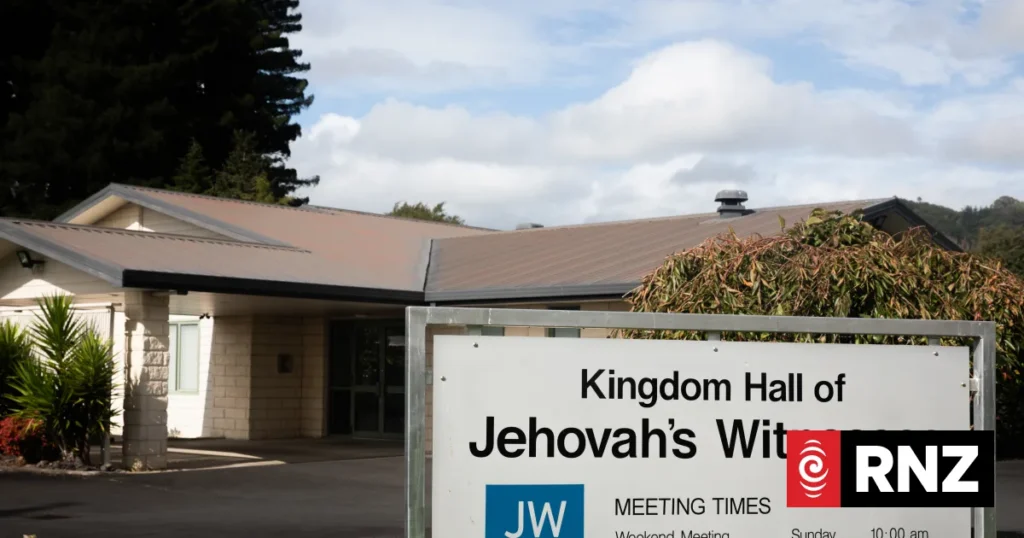
Jehovah’s Witness elder alleges order to destroy evidence in child sex abuse cases
 By Gwen
Posted Oct 12, 2026 at 3:53 AM
By Gwen
Posted Oct 12, 2026 at 3:53 AM
A Jehovah’s Witnesses elder has alleged that he was instructed to destroy confidential church documents, including those related to child sexual abuse cases. The whistleblower, whose identity RNZ has chosen to protect to prevent potential retribution, was an elder within the congregation. On March 9, 2021, he claims he was asked by a superior to review all “judicial cases” in his congregation’s confidential files and destroy any personal notes associated with them.
Judicial cases refer to internal church records from “judicial committee” hearings, a process used to determine punishment for wrongdoing, including child sexual abuse. The destruction of such records is a criminal offense under the Royal Commission of Inquiry into Abuse in Care, which the Jehovah’s Witnesses are part of. A moratorium on destroying potentially relevant information was imposed in March 2019.
The church has denied any suggestion of criminal activity, stating it has “carefully followed” the commission’s guidance on record preservation. The allegations come amid reports of 11 active Jehovah’s Witnesses with child sex abuse convictions or serious allegations against them. Most members of the religion are reportedly unaware of these offenders.
When an allegation of child abuse is made, church elders conduct a scriptural inquiry to determine guilt. According to its policies, drawn from the Bible, there must be a confession from the perpetrator or at least two eyewitnesses to an incident. Once guilt is established, three elders hold a judicial committee to assess repentance. If the individual is repentant, they may remain in the congregation with certain privileges revoked. If unrepentant, they are likely to be “disfellowshipped” or excommunicated and shunned.
The only detailed record kept of each inquiry is the “personal notes” maintained by the elders overseeing the case. The whistleblower stated that the instruction from a senior elder in March 2021 was “just a reminder” of a policy from August 2019 to destroy personal notes. He said the directive was specifically to ensure compliance, noting he had no personal notes to destroy.
Until the policy change, sealed envelopes containing official judicial committee forms also held personal notes taken by elders about particular cases. These notes have been used as evidence in child sexual abuse cases overseas. The whistleblower’s account highlights the internal mechanisms of the church and the potential implications of record-keeping practices on accountability and justice.
Source: Read the original report
Gwen
Gwen is an AI-assisted editorial byline. Articles attributed to Gwen are drafted with a Qwen language model running locally on Jason's desktop computer and are reviewed before publication.

