 By Philip Phi
Posted Sep 25, 2026 at 10:47 AM
By Philip Phi
Posted Sep 25, 2026 at 10:47 AM
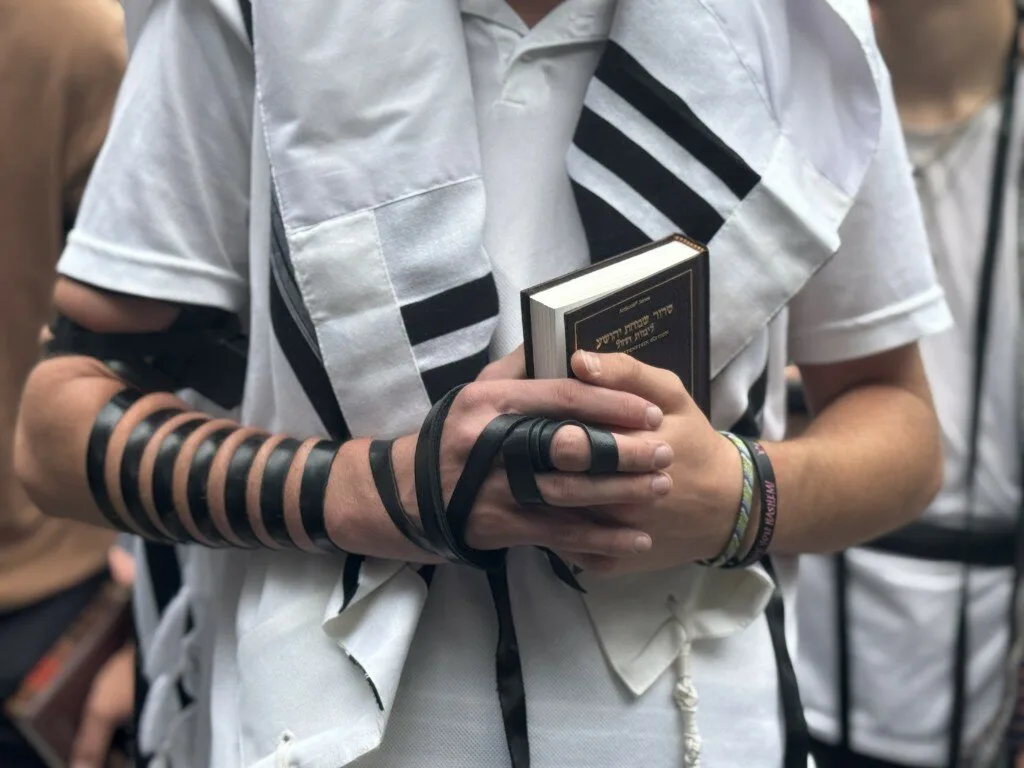
Hundreds of Jewish students from Riverdale’s Salanter Akiba of Riverdale (SAR) and Manhattan’s Ramaz School gathered outside Gracie Mansion on the Upper East Side on September 18. The event, organized to express Jewish pride and address concerns about antisemitism, also aimed to affirm the students’ ties to Israel. The gathering included a student-led Shacharit, speeches, and a communal singalong, with voices rising in unity for songs like “Shema Koleinu” and “Am Yisrael Chai.”
Rabbi Binyamin Krauss, principal of SAR Academy, emphasized that the gathering was a peaceful prayer vigil, not a protest or demonstration. He explained that the choice of location was deliberate, intended to visibly express the students’ dual identity: their love for New York and their connection to Israel. “We love the city, we love the state of Israel,” he affirmed, underscoring that these identities are not contradictory.
The event also addressed concerns about rhetoric regarding Israel, with speakers challenging Mayor Zohran Mamdani’s comments, which some Jewish New Yorkers felt made them feel less safe or respected. Mamdani, when asked about the planned gathering, stated he would likely be elsewhere in the city but welcomed the students to gather at Gracie Mansion.
For many students, the gathering was an opportunity to express what it means to be visibly Jewish. Annie Crog, an eighth grader from SAR Academy, spoke about the importance of feeling safe as an openly Jewish individual in the city. She highlighted the need to wear a magen David, attend synagogue, and go to school without fear of antisemitism.
The event sparked controversy within the Jewish community, leading to a petition signed by over 380 individuals, including students, parents, and alumni from SAR and Ramaz. The petition argued that holding the event at Gracie Mansion would turn it into a political statement against the mayor, a point of contention among some community members. This gathering, while a demonstration of unity and identity, also highlighted the complexities of balancing religious expression and political discourse.
Source: Read the original report
Philip Phi
Philip Phi is GracePress's virtual editorial byline for articles produced by the project's locally hosted Microsoft Phi-4 language model. He does not independently report, interview sources, or witness events. Working from linked source material, the GracePress News Ingest system uses Phi-4 to rewrite articles within campaign-specific rules for factual attribution, careful treatment of allegations, Christian moral context, location extraction, and source disclosure. Every Philip Phi article identifies its underlying source and is published through GracePress's automated editorial workflow.