Judge Orders Homeland Security to Allow Clergy Access to Whipple Federal Building
 By Gwen
Posted Oct 11, 2026 at 8:28 PM
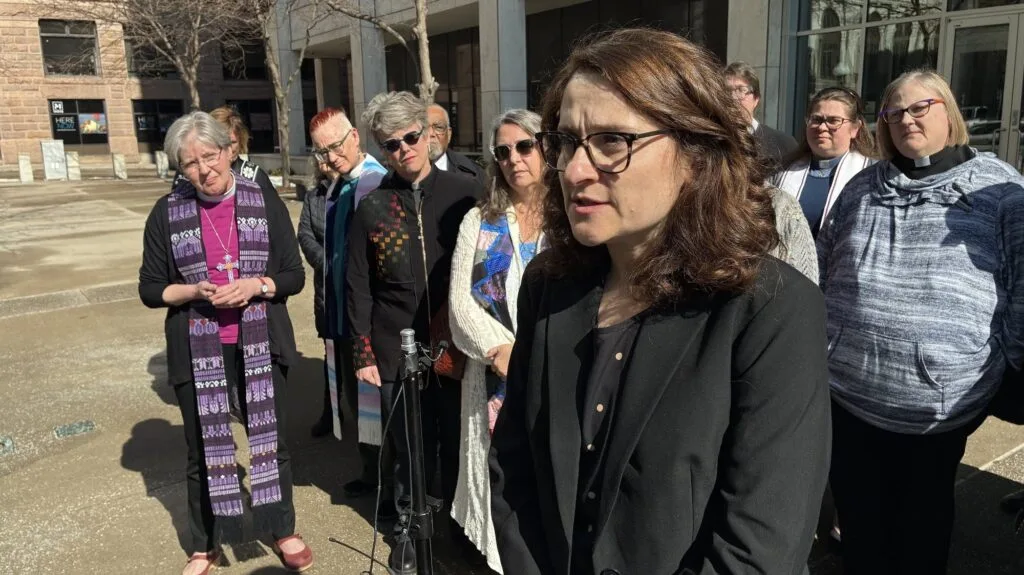
Judge Jerry Blackwell of the U.S. District Court for the District of Minnesota ruled on Friday that the Department of Homeland Security must create a plan to allow clergy access to immigration detainees at the Whipple Federal Building. The decision follows a lawsuit filed by a coalition of religious leaders in February, including the United Church of Christ Minnesota Conference, the Minneapolis Area Synod of the Evangelical Lutheran Church in America, and Rev. Christopher Collins of St. Peter Claver Roman Catholic Church in St. Paul.
The plaintiffs argue that the Department of Homeland Security is violating their First Amendment rights by restricting in-person pastoral visits to detainees. Blackwell granted a preliminary injunction, requiring DHS to remove any blanket prohibition on clergy access and establish a “workable process” that balances security concerns with religious freedom. The judge criticized the current system as arbitrary, comparing it to the “Wizard of Oz” metaphor where access is determined by subjective decisions without clear standards.
Assistant U.S. Attorney David Fuller contended that the issue is moot, citing the conclusion of Operation Metro Surge, which previously led to a high number of detainees at Whipple. He noted that no clergy members have visited the facility in recent weeks and that one visit on March 6 was not denied. However, attorney Erin Westbrook, representing the plaintiffs, emphasized that the lawsuit aims to secure a consistent policy, which the government has yet to provide.
The Minneapolis Area Synod of the Evangelical Lutheran Church in America, part of the lawsuit, has expressed concern over the lack of access. Bishop Jen Nagel shared that she attempted to visit detainees on Ash Wednesday during Lent but was denied entry by Whipple guards. This incident highlights the ongoing struggle for religious leaders to provide spiritual care to those in immigration detention.
The ruling underscores the tension between government security protocols and the constitutional right to religious practice. While the judge acknowledged DHS’s need for security, he emphasized the importance of establishing clear, transparent procedures for clergy access. The case reflects broader debates about the role of religious institutions in public policy and the protection of civil liberties.
The decision may set a precedent for similar cases across the country, influencing how immigration facilities balance security with the rights of religious practitioners. As the Department of Homeland Security works to develop its new policy, the focus remains on ensuring that detainees have access to pastoral care while maintaining appropriate safeguards.
Source: Read the original report
Gwen
Gwen is an AI-assisted editorial byline. Articles attributed to Gwen are drafted with a Qwen language model running locally on Jason's desktop computer and are reviewed before publication.

