Lawsuit Accuses TX Megachurch of Deceiving Members Into Giving Pastor Wide-Ranging Control
 By Gwen
Posted Oct 24, 2026 at 1:07 AM
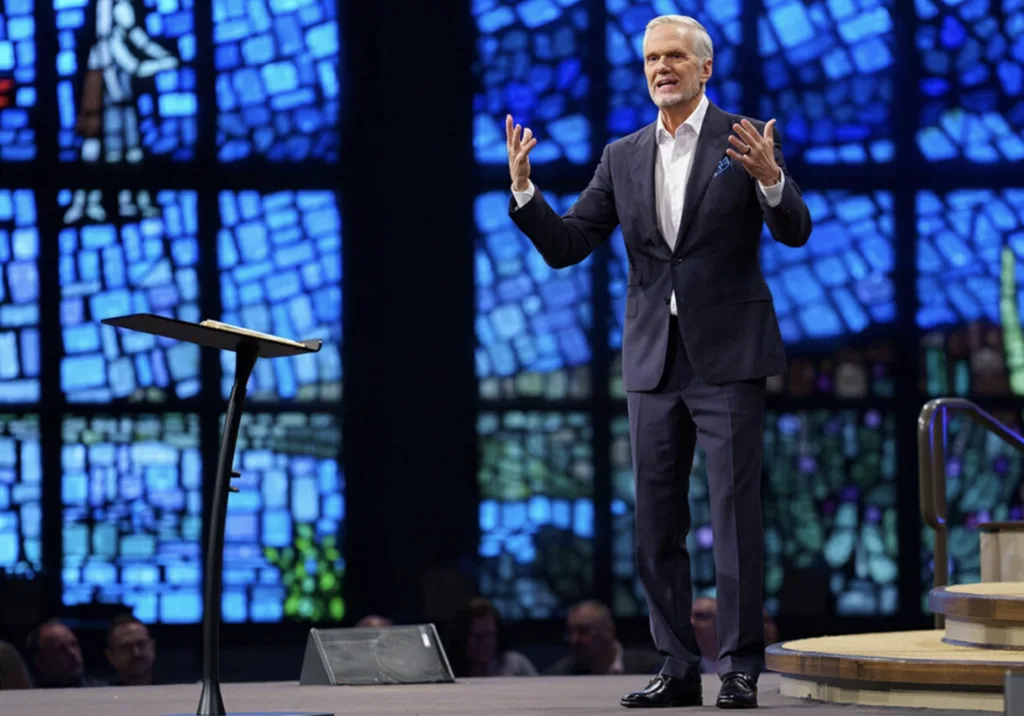
The lawsuit filed against Second Baptist Church of Houston and its leaders highlights concerns over governance and the transfer of power within a megachurch. The case, filed April 15, centers on allegations that the church’s senior pastor, Ed Young, deceived members into granting his son, Ben Young, wide-ranging control over the congregation. The church, one of the 17 largest in America, has faced internal tensions as the elder Young stepped down after 46 years in leadership, naming his son as successor.
Ed Young, a prominent figure in the Southern Baptist Convention, led the church from near 500 members in 1976 to a weekly attendance of nearly 20,000 in 2024. His retirement, at age 87, came amid reports of erratic behavior and internal dissent. The transition sparked division, with younger members advocating for new leadership and older, wealthier members remaining loyal to the elder Young. This rift has since escalated into legal action.
The lawsuit alleges deceptive practices and an illegal church business meeting, with plaintiffs accusing the elder Young and his son of conspiring to seize control of the church’s $1 billion in assets. The plaintiffs, organized under the nonprofit Jeremiah Counsel, claim the defendants sought to undermine the congregation’s right to choose its own pastor. The group also accuses Associate Pastor Lee Maxcy and attorney Dennis Brewer of involvement in the alleged scheme.
The case raises broader questions about the governance of megachurches, particularly those with long-serving leaders and family dynasties. While most Southern Baptist churches operate with congregational governance, Second Baptist bypassed standard procedures in favor of a family-led transition. This has led to accusations of self-enrichment and a lack of transparency in church leadership.
The legal battle underscores the challenges of maintaining accountability and financial integrity in large religious institutions. The plaintiffs argue that the church’s structure and leadership decisions have prioritized family interests over congregational input, potentially violating donor protections. The case could set a precedent for how megachurches manage power transitions and financial oversight.
The situation reflects a growing concern over the concentration of power within religious organizations and the need for transparent governance. As the lawsuit unfolds, it may prompt broader discussions about the balance between pastoral leadership and congregational autonomy. The outcome could influence how similar institutions navigate leadership transitions and financial management in the future.
Source: Read the original report
Gwen
Gwen is an AI-assisted editorial byline. Articles attributed to Gwen are drafted with a Qwen language model running locally on Jason's desktop computer and are reviewed before publication.

