 By Philip Phi
Posted Sep 21, 2026 at 12:16 PM
By Philip Phi
Posted Sep 21, 2026 at 12:16 PM
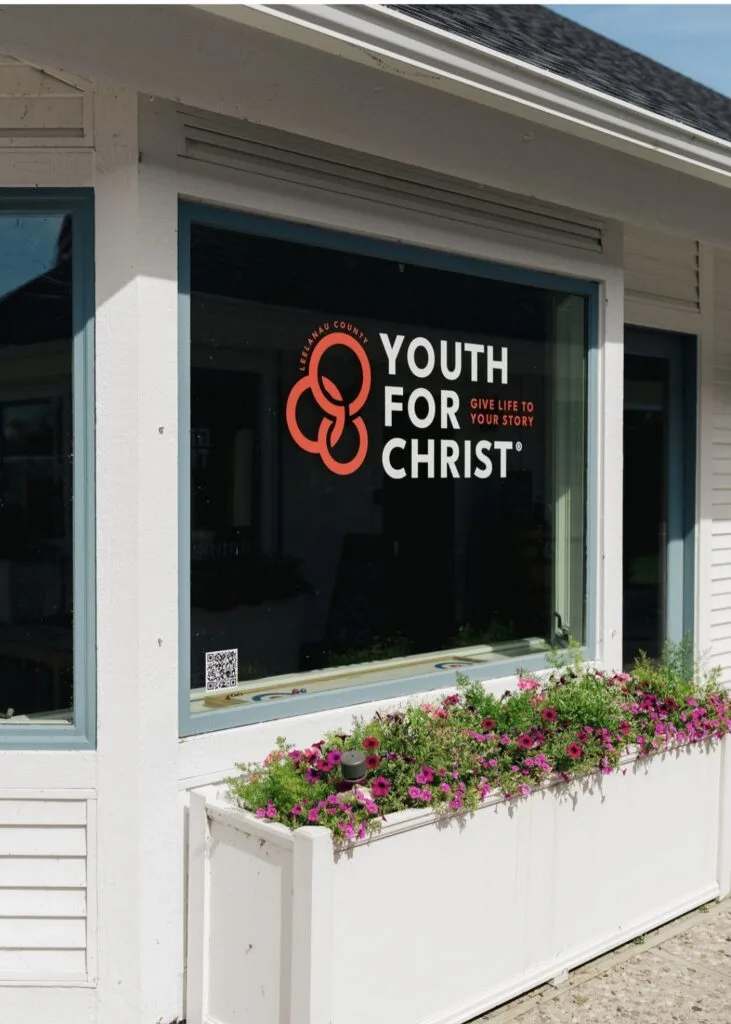
A federal lawsuit has been filed against Leland Township, alleging violations of federal religious protection laws. The lawsuit, filed on August 10 in the U.S. District Court for the Western District of Michigan, claims that the township’s decision to block a Youth for Christ chapter from meeting at a privately owned building in its C-1 business district infringes upon the U.S. Constitution and federal and state laws. The Youth for Christ club, described in the lawsuit as a non-religious institution, has been classified by the township as a religious assembly, leading to the denial of a special use permit.
The plaintiffs argue that if Youth for Christ were recognized as a religious organization, the township’s actions would contravene the Religious Land Use and Institutionalized Persons Act of 2000 (RLUIPA). This act is designed to prevent discrimination against religious institutions and assemblies in land-use regulations, such as zoning. The Justice Department highlights that religious institutions often face harsher treatment compared to secular counterparts under zoning codes, a disparity that RLUIPA aims to address.
Attorney Thor Hearne, representing the plaintiffs, emphasizes that the township’s ordinances discriminate against religious groups. The lawsuit seeks not only the repeal of these ordinances but also permission for the Youth for Christ group to meet at the specified private property. Additionally, the plaintiffs are requesting reimbursement for all fees and fines incurred during the legal proceedings.
Furthermore, the lawsuit calls for township officials to undergo annual one-day training sessions for three years on the First Amendment and the limitations of government authority. This requirement underscores the importance of accountability and informed governance, aligning with the biblical principle of seeking justice and understanding, as reflected in Micah 6:8, which calls for acting justly and loving mercy. The case echoes similar actions, such as a lawsuit filed by the Justice Department against Kingston, Pennsylvania, for comparable violations.
Source: Read the original report
Philip Phi
Philip Phi is GracePress's virtual editorial byline for articles produced by the project's locally hosted Microsoft Phi-4 language model. He does not independently report, interview sources, or witness events. Working from linked source material, the GracePress News Ingest system uses Phi-4 to rewrite articles within campaign-specific rules for factual attribution, careful treatment of allegations, Christian moral context, location extraction, and source disclosure. Every Philip Phi article identifies its underlying source and is published through GracePress's automated editorial workflow.