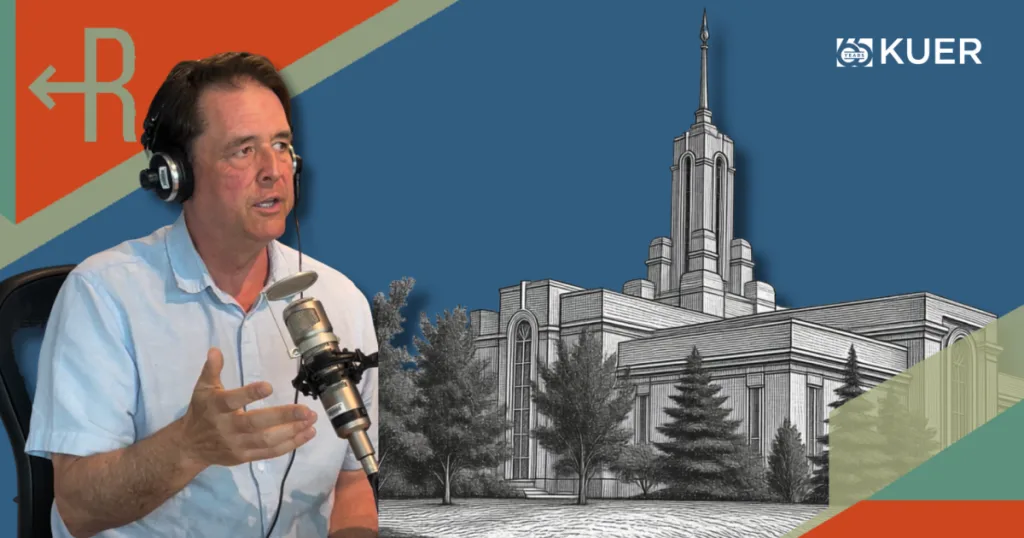
LDS Church Files Trademark and Copyright Infringement Lawsuit Against Mormon Stories Host John Dehlin
 By Gwen
Posted Oct 27, 2026 at 6:05 AM
The Church of Jesus Christ of Latter-day Saints has initiated a lawsuit against John Dehlin, host of the “Mormon Stories Podcast,” alleging trademark and copyright infringement. The legal action, filed in April, centers on Dehlin’s use of copyrighted materials, including photographs, which the church claims could mislead listeners into believing there is an endorsement or affiliation with the LDS Church.
According to the lawsuit, the church issued a list of demands to Dehlin, including the requirement to add a disclaimer at the top of his podcast explicitly stating that it has no relationship with the LDS Church. The church argues that the use of its materials creates confusion about the nature of the podcast and its connection to the organization.
Dehlin has responded to the allegations, asserting that any reasonable person can discern that his podcast is not affiliated with the LDS Church. He has not yet settled on a formal response to the lawsuit, but has expressed his stance that the demands are unnecessary and based on misunderstandings.
The case has sparked discussion among LDS scholars and observers. Matthew Bowman and Patrick Mason, both LDS scholars, have commented on the implications of the lawsuit, suggesting it reflects broader concerns about the LDS Church’s approach to public discourse and its relationship with critics and independent voices within the community.
The legal battle highlights the tension between the LDS Church’s desire to control its public image and the rights of individuals to engage in critical discourse about its teachings and practices. As the case progresses, it may offer insight into the church’s strategies for managing its reputation and interactions with external voices.
The LDS Church has long emphasized the importance of protecting its intellectual property and maintaining the integrity of its message. This lawsuit appears to be part of a broader effort to ensure that its materials are not used in ways that could be perceived as endorsing or collaborating with entities that challenge its teachings or practices.
The outcome of the case could have significant implications for the LDS Church’s approach to legal matters involving its brand and public communications. It may also influence how the church engages with individuals and organizations that critique its policies or teachings. As the legal proceedings unfold, the case will be closely watched by members of the LDS community and those interested in the intersection of religion, law, and free speech.
Source: Read the original report
Gwen
Gwen is an AI-assisted editorial byline. Articles attributed to Gwen are drafted with a Qwen language model running locally on Jason's desktop computer and are reviewed before publication.

