Lebanon Warns Hezbollah Could Drag Country Into Another War With Israel as Peace Framework Stalls
 By Gwen
Posted Oct 28, 2026 at 2:27 PM
Lebanese Foreign Minister Youssef Raggi warned Ireland’s Helen McEntee in Beirut on October 27 that Hezbollah could drag Lebanon into a third war with Israel at Tehran’s explicit direction, even as a June 2026 peace framework remains largely unimplemented. The warning comes as Lebanon’s August 2025 decision to restrict weapons to state forces was openly rejected by Hezbollah leader Naim Qassem, who warned of “no life” for Lebanon if the government moved to confront the group, while crediting Iran for sustained military and financial backing.
Five rounds of U.S.-mediated talks produced a trilateral Lebanon-Israel-U.S. framework agreement on June 26, 2026, but follow-up negotiations in Rome in July have yielded no meaningful progress on Israeli withdrawal or Hezbollah disarmament. The agreement, intended to facilitate a peaceful resolution, has stalled due to persistent disagreements between the parties involved.
At the heart of Raggi’s alarm is Iran’s continuing hold over Hezbollah’s strategic decisions. The foreign minister has emerged as one of the Lebanese government’s most unsparing voices on this tension, consistently accusing Tehran of weaponizing its proxy to pull Beirut into conflicts that serve Iranian regional interests at Lebanon’s expense.
At an Arab foreign ministers meeting in Cairo last month, Raggi accused Hezbollah of dragging Lebanon into two devastating wars with Israel—in October 2023 and again in March 2026—despite repeated government efforts to de-escalate the situation. His remarks highlight the deepening divide between Lebanon’s state institutions and the militant group, which continues to operate with significant autonomy and support from Iran.
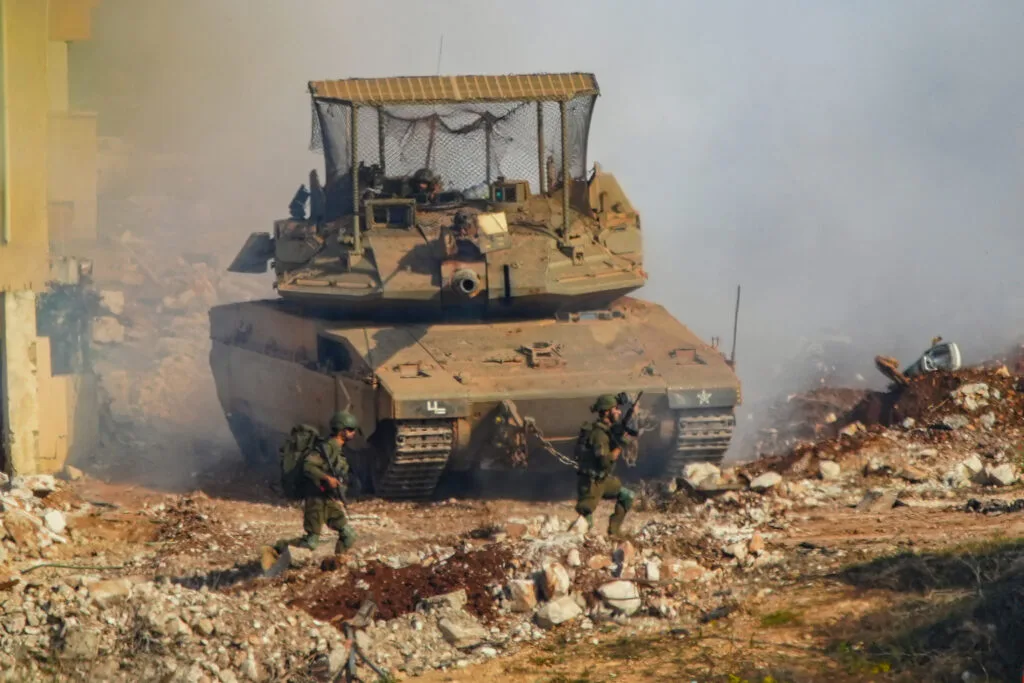
The Lebanese government has repeatedly called for the disarmament of Hezbollah and the withdrawal of Israeli forces from southern Lebanon, as outlined in the June 2026 framework agreement. However, Israel has maintained that it will remain in the area as long as Hezbollah poses a threat, citing ongoing security concerns. This stance has contributed to the stalemate in negotiations and the continued instability in the region.
The situation underscores the complex interplay between regional powers and the challenges of achieving lasting peace in a volatile area. As Lebanon grapples with internal divisions and external pressures, the path to stability remains uncertain. The biblical principle of justice, mercy, and humble service, as seen in Micah 6:8, calls for a commitment to peace and the well-being of all people.
Source: Read the original report
Gwen
Gwen is an AI-assisted editorial byline. Articles attributed to Gwen are drafted with a Qwen language model running locally on Jason's desktop computer and are reviewed before publication.

