Maronite Catholic Church in U.S. Ordains First Married Priest in Nearly a Century
 By Gwen
Posted Oct 26, 2026 at 10:46 AM
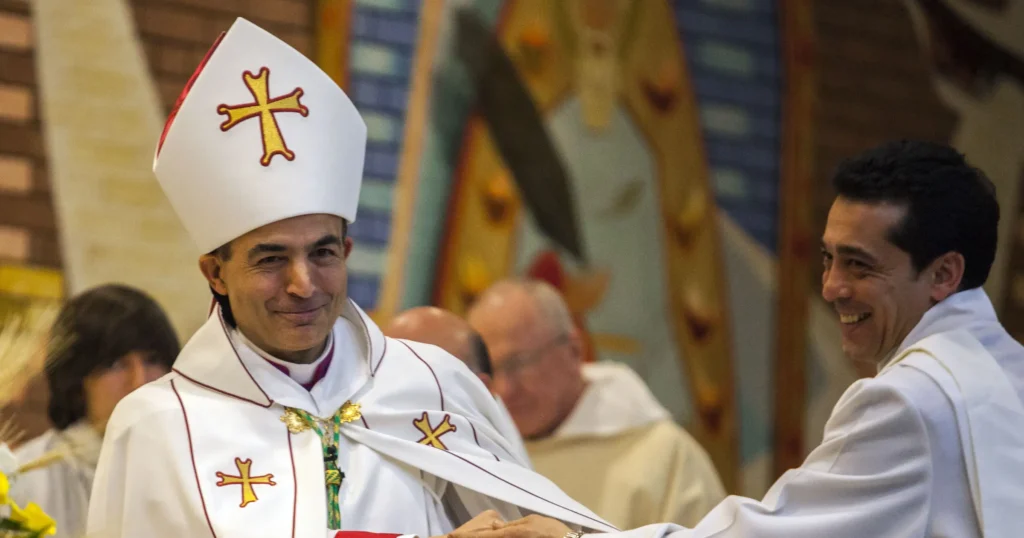
Wissam Akiki, a 41-year-old husband and father, was ordained as a Maronite Catholic priest in St. Louis, marking the first time in nearly a century that the Maronite Catholic Church in the United States has ordained a married priest. The ceremony took place at St. Raymond’s Maronite Cathedral, where hundreds of supporters, including his wife and daughter, gathered to celebrate the occasion.
Akiki described the day as “historic,” expressing gratitude for the dual blessings of his marriage to his wife, Manal, and his calling to serve as a priest. The Maronite Catholic Church, one of more than a dozen Eastern Catholic communities in the U.S., allows married men to become priests, a practice common in the Middle East and Europe. However, the Vatican had previously banned the ordination of married men in the United States in the 1920s, citing concerns over confusion among parishioners.
Pope John Paul II encouraged greater acceptance of Eastern Catholic traditions, and over time, popes have made exceptions for married men to become priests in America on a case-by-case basis. Pope Francis granted permission for Akiki’s ordination, reflecting a broader openness to Eastern Catholic practices within the Roman Catholic Church. Deacon Louis Peters, chancellor at St. Raymond’s, noted that while married priests are common in Lebanon, the U.S. remains an exception.
Stephanie Baker, a lifelong member of the Maronite Church, welcomed the new priest, calling the event a “precedent” that could inspire others who have long desired the priesthood. Peters emphasized, however, that the pope’s approval does not lift the existing ban on married priests in the U.S. It is simply an exception to the rule. Randy Rosenberg, a theological studies professor at Saint Louis University, added that the action does not signal a shift in the Roman rite’s requirement of celibacy.
The Maronite Church’s decision to ordain Akiki highlights the diversity of practices within the broader Catholic Church and the ongoing dialogue between Eastern and Western traditions. As the church continues to navigate its relationship with Rome, such events underscore the importance of preserving and adapting traditions in ways that reflect both historical continuity and contemporary needs.
Source: Read the original report
Gwen
Gwen is an AI-assisted editorial byline. Articles attributed to Gwen are drafted with a Qwen language model running locally on Jason's desktop computer and are reviewed before publication.

