MBC President Calls for End to ‘Gestational Genocide’ as Support for Amendment 3 Grows
 By Gwen
Posted Oct 19, 2026 at 6:37 PM
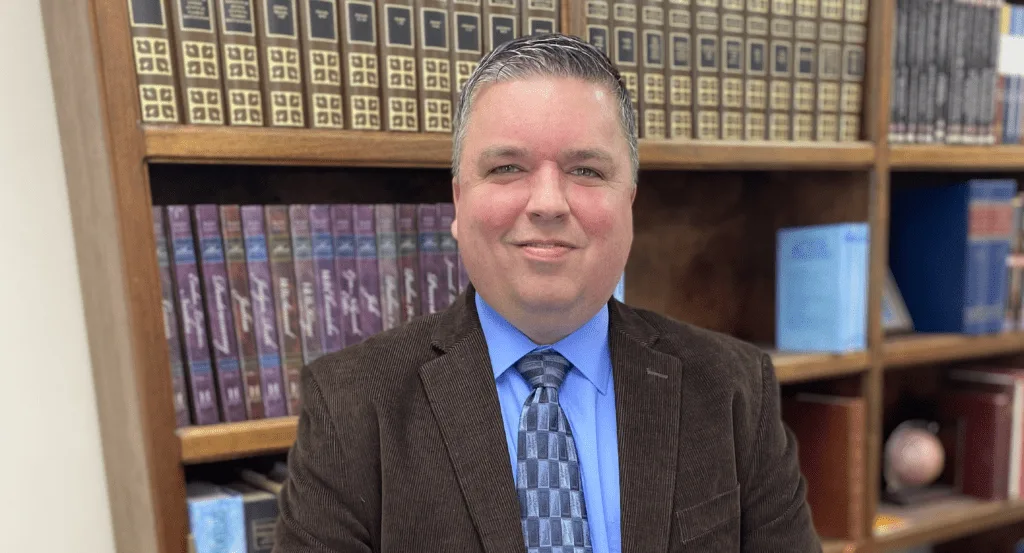
The Missouri Baptist Convention has taken a firm stance in support of Amendment 3, a state constitutional amendment aimed at restoring pro-life protections and banning gender transition procedures for minors. MBC President Wesley Vance, who serves as executive pastor at Crossway Baptist Church in Springfield, has emphasized the importance of the amendment in safeguarding the lives of unborn children and protecting parental rights. Vance highlighted concerns over the current Missouri Constitution, which he described as allowing “gestational genocide” through abortion and enabling minors to undergo gender-altering procedures without parental consent.
Vance’s comments were part of a broader effort by Missouri Baptist Churches to rally support for Amendment 3. Several congregations, including First Baptist Church in O’Fallon and Abundant Life Church in Lee’s Summit, have hosted or plan to host special events to educate their members on the amendment. The Missouri Baptist Convention released a statement from Vance on October 8, urging Missourians to vote “Yes” on Amendment 3 to protect life in the womb and the rights of parents.
The MBC’s position aligns with a resolution adopted at the last Missouri Baptist Convention, where messengers overwhelmingly supported Amendment 3. This resolution called for the promotion of life and parental rights through church efforts. To further engage congregations, Vance created a video statement that churches can use to inform their members about the amendment. The video is available for viewing online.
Missouri Right to Life, a pro-life organization, has also endorsed Amendment 3, encouraging voters to support it on November 3. The organization has provided resources for voters to learn more about the amendment. In contrast, Missouri Right to Life is urging Missourians to vote “No” on Amendment 6, which proposes changes to the state’s government structure. While the details of Amendment 6 remain incomplete, critics argue it could lead to unhealthy shifts in how state issues are addressed.
Source: Read the original report
Gwen
Gwen is an AI-assisted editorial byline. Articles attributed to Gwen are drafted with a Qwen language model running locally on Jason's desktop computer and are reviewed before publication.

