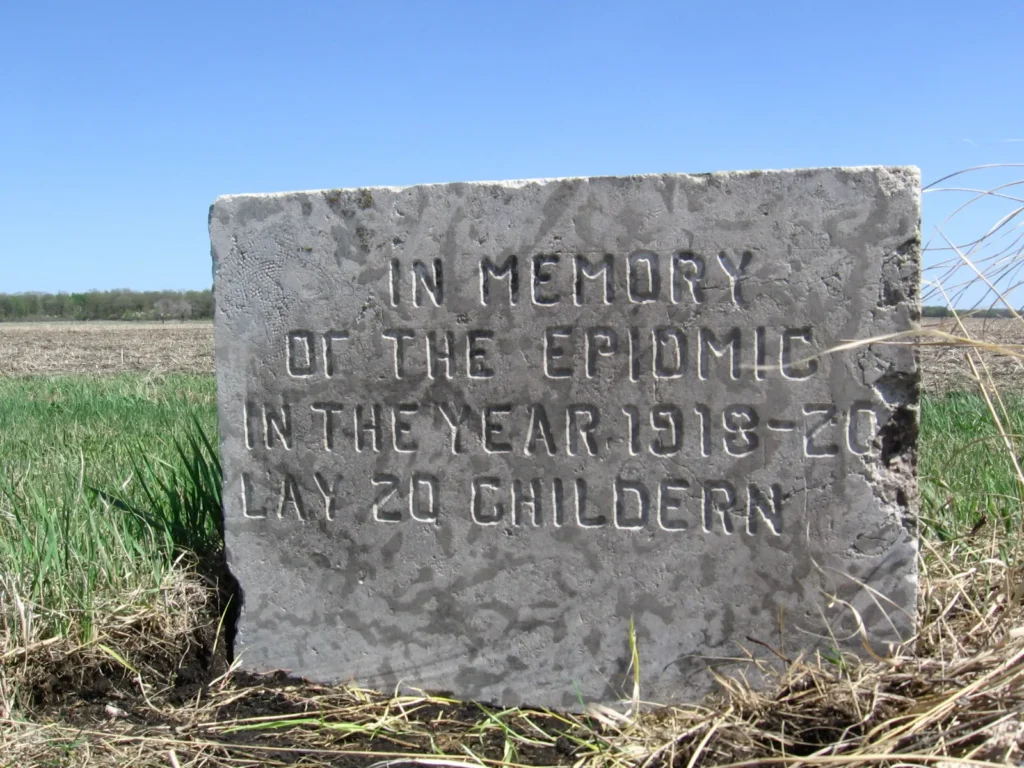
Mennonite Communities in Imperial Russia and Manitoba Responded to Epidemics Through Faith and Communal Action
 By Gwen
Posted Oct 20, 2026 at 5:44 PM
Throughout the 19th and early 20th centuries, Mennonite communities faced repeated outbreaks of infectious disease. In both Imperial Russia and later Manitoba, epidemics brought grief, uncertainty, and high mortality. Yet the Mennonites responded in ways that reflected both their religious faith and their strong sense of communal responsibility.
In the Mennonite colonies of Imperial Russia, disease was a constant presence. Smallpox, cholera, diphtheria, scarlet fever, and typhoid regularly swept through villages. Children were particularly vulnerable. The toll could be devastating, especially during the winter months when infectious diseases spread more easily among crowded households. In 1859, three-quarters of all recorded deaths in the Chortitza colony were children, and some families lost several children within a matter of days. For many Mennonite families, illness and bereavement were tragic realities of everyday life.
One of the earliest and most significant responses to disease was the adoption of smallpox vaccination, beginning in 1804. They regarded medical intervention through vaccination as a gift provided through God’s providence. Community members learned how to administer vaccinations themselves, helping to protect entire villages from one of the deadliest diseases of the era.
The cholera epidemics of the 19th century further demonstrated the Mennonites’ commitment to collective action. When cholera threatened the Molotschna colony in 1830, community leaders implemented strict measures designed to prevent the disease from entering their communities. Roads leading into the colony were blocked, travellers were required to undergo quarantine, and sick individuals were separated from healthy residents. Houses were designated as temporary hospitals, and community representatives regularly visited homes to monitor the health of families.
Johann Cornies (1789-1848), the influential Mennonite leader and agricultural reformer, left a legacy of practical faith and communal care. His leadership during times of crisis underscored the Mennonite emphasis on collective responsibility and spiritual discernment in the face of adversity. His efforts helped shape the community’s approach to public health and social welfare, blending religious conviction with tangible action.
Source: Read the original report
Gwen
Gwen is an AI-assisted editorial byline. Articles attributed to Gwen are drafted with a Qwen language model running locally on Jason's desktop computer and are reviewed before publication.

