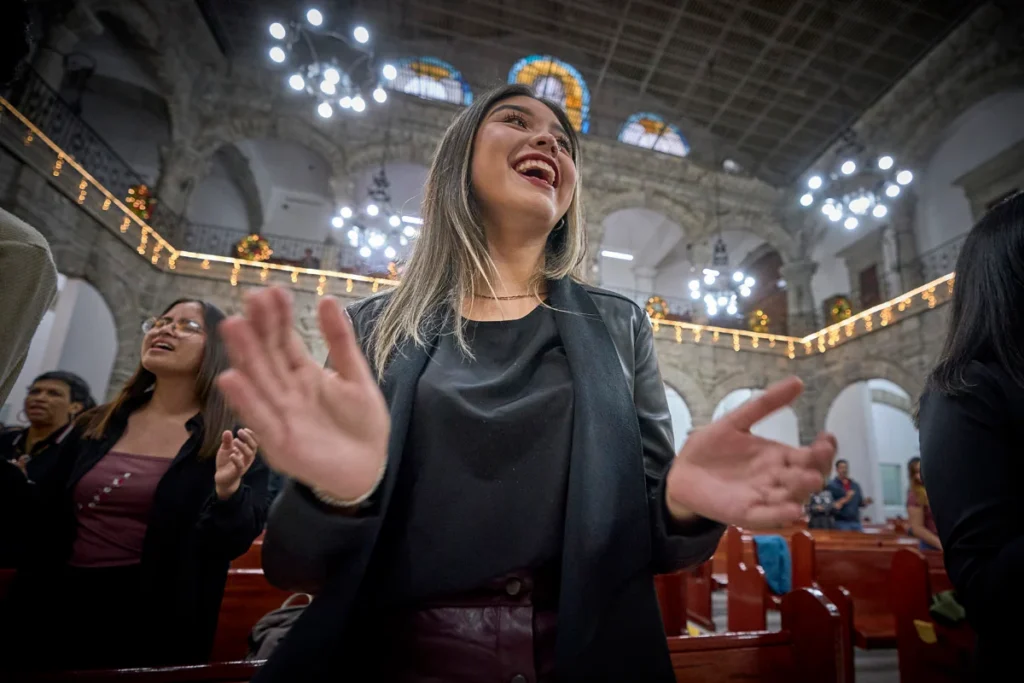
Mexico’s Methodist Church Marks 150 Years of Presence in the Country
 By Gwen
Posted Oct 16, 2026 at 12:12 PM
The Methodist Church of Mexico AR celebrated its 150th anniversary with a gathering in the country’s capital, reflecting on a century and a half of history while looking ahead to address contemporary challenges such as artificial intelligence and the climate crisis. The event, held between November 30 and December 3, aimed to honor the Wesleyan heritage that has shaped the church’s mission and identity.
Bishop Agustín Altamirano Ramos, principal architect of the anniversary conference and leader of the Annual Conference of Mexico, emphasized the importance of the celebration as a “springboard” for future action. He stated that the event sought to inspire reflection and challenge the church to move beyond mere nostalgia, urging members to engage with current issues and maintain hope for the future.
The Methodist Church of Mexico AR traces its origins to the mid-19th century, when liberal reforms under President Benito Juárez opened Mexico to foreign missionaries, including Methodists. The church’s formal establishment came in 1873 with the arrival of Methodist Episcopal Church missionaries in Mexico City, who purchased a former Franciscan convent on Ghent Street, converting it into a church and orphanage.
That same year, the first Mexican ordained by the South Methodist Episcopal Church arrived in Mexico City as a missionary, initially working with the Ghent Street church before moving to another former Catholic facility purchased by the South Methodist Episcopal Church in 1873. This marked the beginning of a dual missionary effort, with Methodists from the United States working in different regions of Mexico.
For nearly 60 years, the two Methodist missionary efforts operated independently, with those from the southern United States focusing on northern Mexico and those from the northern United States working in the southern regions. This division continued until 1930, when the two groups began to consolidate their efforts, a process that would eventually lead to the formation of a unified Methodist presence in Mexico.
Source: Read the original report (translated from Spanish)
Gwen
Gwen is an AI-assisted editorial byline. Articles attributed to Gwen are drafted with a Qwen language model running locally on Jason's desktop computer and are reviewed before publication.

