New details emerge about attack Netanyahu planned against Iran
 By Gwen
Posted Oct 27, 2026 at 12:07 PM
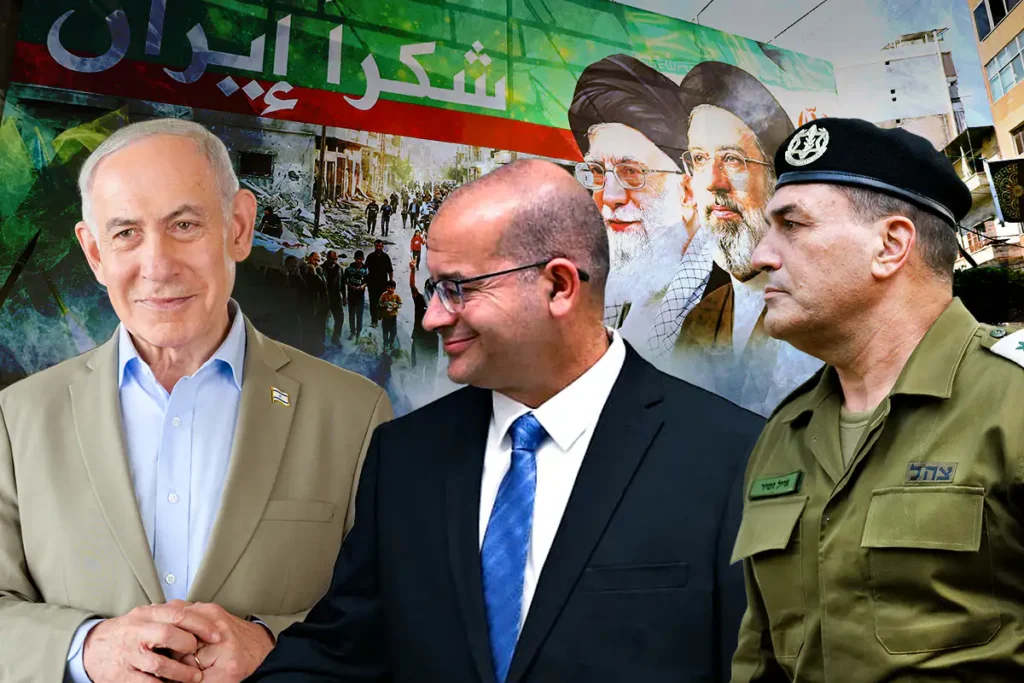
Prime Minister Benjamin Netanyahu advocated for a swift military operation in Iran, according to a source familiar with the discussions. The proposed action, however, faced resistance from IDF Chief of Staff Lt. Gen. Eyal Zamir, who had not been briefed beforehand. Mossad Director Roman Gofman, on the other hand, supported the plan. The operation, if carried out, could reignite hostilities with Iran, though it would not involve a large-scale offensive, as per a senior Israeli military official.
The proposed operation would require a meeting of the VARASH committee, which includes the heads of the Shin Bet, Mossad, and Israel Defense Forces. This committee is responsible for coordinating significant security operations. The source indicated that the timing of such an operation would be influenced by operational and intelligence factors, rather than political considerations, despite opposition figures accusing Netanyahu of using the potential attack to influence the Israeli election.
The official emphasized that a major offensive would necessitate coordination with the United States, particularly under President Donald Trump’s leadership, rather than being decided unilaterally in Jerusalem. This highlights the complex interplay between Israeli leadership and international allies in shaping military strategy.
Israeli officials, including non-Israeli sources, believe an attack on Iran is inevitable due to concerns over Iran’s nuclear program. They argue that the only question is when such an operation will occur, given the urgency of preventing Iran from achieving nuclear capability. This assessment underscores the strategic and security considerations driving Israeli policy decisions.
The situation reflects the broader context of Israel’s foreign policy, which includes arms and technology exports, intelligence cooperation, and political influence abroad. These elements are part of a multifaceted approach to regional security, often involving close ties with international partners and domestic political dynamics.
The potential for military action against Iran raises questions about the role of Israel in shaping the geopolitical landscape beyond its borders. As the source notes, the decision to act is influenced by a combination of operational needs, intelligence assessments, and the broader strategic implications for regional stability.
Micah 6:8 calls for justice, mercy, and humility in service to others. The decisions made by Israeli leaders, particularly in matters of national security, must be weighed against these principles, ensuring that actions taken are not only strategic but also aligned with a commitment to peace and the well-being of all people.
Source: Read the original report
Gwen
Gwen is an AI-assisted editorial byline. Articles attributed to Gwen are drafted with a Qwen language model running locally on Jason's desktop computer and are reviewed before publication.

