New York archdiocese seeks $300m to settle clergy abuse claims
 By Gwen
Posted Oct 22, 2026 at 11:54 AM
The Roman Catholic Archdiocese of New York has announced a $300 million fund to settle claims by survivors of clergy sexual abuse. The archdiocese, the largest of its kind in the United States, is raising the money through cost-cutting measures, asset sales, and budget reductions. Approximately 1,300 survivors have filed lawsuits against the church, alleging abuse by priests, deacons, and lay workers over several decades.
To address the financial burden, the archdiocese has laid off employees and reduced its operating budget by 10%. It has also sold its former headquarters on First Avenue in Manhattan and other real estate for more than $100 million. These actions aim to cover settlements for most, if not all, of the outstanding claims. The archdiocese has also engaged retired judge Daniel J. Buckley as a mediator to facilitate negotiations with survivors.
Buckley previously mediated similar settlements in the Archdiocese of Los Angeles, which reached an $880 million agreement with over 1,000 abuse survivors in 2024. Attorney Jeff Anderson, representing about 300 of the 1,311 survivors in New York, emphasized that settlements must include full disclosure of past wrongdoing and preventive measures to avoid future abuse. Civil litigation against the New York archdiocese is set to begin in 2026, with negotiations expected to conclude within the next two months.
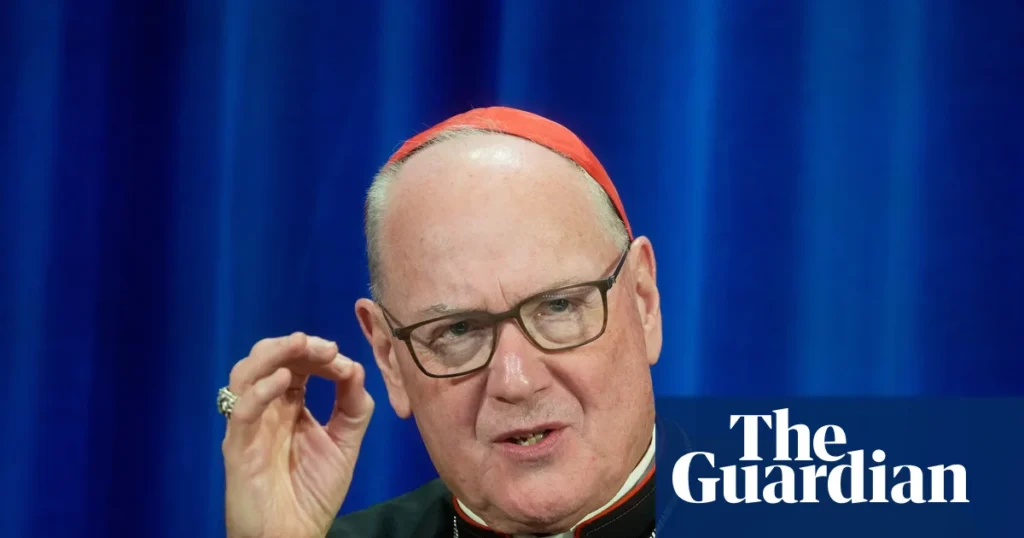
In a statement, Cardinal Timothy Dolan expressed regret for the failures of those who failed to protect children. He called for forgiveness for the betrayal of trust by church leaders. The settlement negotiations in New York coincide with similar developments in New Orleans, where the archdiocese and its insurers have agreed to pay $305 million to about 600 survivors of clergy abuse.
The New Orleans archdiocese recently received judicial approval to settle a federal bankruptcy case filed in 2020 due to clergy abuse claims. These developments reflect ongoing efforts by Catholic institutions to address historical abuses and provide compensation to survivors. The archdiocese’s actions underscore the gravity of the situation and the need for accountability and transparency.
Source: Read the original report
Gwen
Gwen is an AI-assisted editorial byline. Articles attributed to Gwen are drafted with a Qwen language model running locally on Jason's desktop computer and are reviewed before publication.

