 By Gwen
Posted Aug 11, 2026 at 1:20 AM
By Gwen
Posted Aug 11, 2026 at 1:20 AM
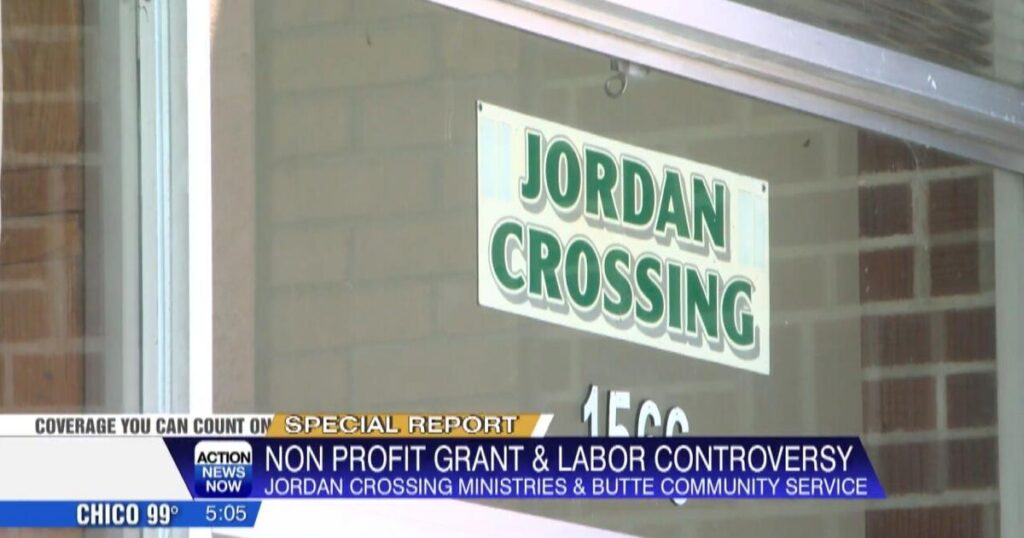
Jordan Crossing Ministries, a religious nonprofit rehab center based in Oroville, California, is under scrutiny for allegations of fraud, misuse of state grants, and labor violations. The controversy emerged following an investigation by Action News Now, which highlighted discrepancies in the organization’s financial records. The nonprofit, which operates under the name Jordan Crossing Ministries, has also been linked to Butte Community Services, another entity that has reportedly identified “clerical issues” in some of its tax filings. These issues are currently under review, though no formal charges have been filed.
The allegations have sparked concern among local officials and community members, who are calling for transparency and accountability. While the organization’s CEO initially refused to comment further, stating he was done answering questions and advising the reporter to contact his lawyer, he later sent a text message acknowledging the existence of clerical problems in tax filings. This admission, though brief, has raised questions about the integrity of the organization’s financial practices and its compliance with state regulations.
Religious nonprofits often operate under a unique legal framework, which can sometimes obscure the extent of their financial and administrative responsibilities. In this case, the allegations suggest a potential breach of trust with donors and the public, who rely on such organizations to uphold ethical standards and legal compliance. The misuse of state grants, in particular, has drawn attention, as these funds are typically intended to support community services and programs rather than be misappropriated for other purposes.
The labor violations alleged against Jordan Crossing Ministries further complicate the situation. If true, these violations could indicate a failure to uphold fair labor practices, including proper wages, working conditions, and employee rights. Such issues are not uncommon in nonprofit settings, where the pressure to maintain operations can lead to oversight in compliance with labor laws. However, the presence of these allegations underscores the need for rigorous oversight and accountability mechanisms within religious and nonprofit organizations.
Public trust is a cornerstone of any nonprofit organization, especially those that serve vulnerable populations. The allegations against Jordan Crossing Ministries challenge that trust and raise important questions about the organization’s commitment to transparency and ethical governance. In the Christian tradition, the call to “do justice, love mercy, and walk humbly with God” (Micah 6:8) is a reminder of the moral and ethical responsibilities that come with public service. These principles should guide the actions of all organizations, regardless of their religious affiliation.
The situation also highlights the broader need for accountability within the nonprofit sector. As institutions that rely on public support, religious and secular nonprofits must be held to the same standards of integrity and transparency as for-profit entities. This includes ensuring that financial records are accurate, that labor laws are followed, and that any allegations of misconduct are thoroughly investigated and addressed.
In the wake of these allegations, the community and local authorities are urging Jordan Crossing Ministries to take swift and transparent action. The organization’s response, including its acknowledgment of clerical issues, is a step in the right direction, but it must be followed by concrete measures to restore public confidence. The pursuit of justice and accountability is not only a legal obligation but also a moral imperative, rooted in the principles of fairness and integrity that underpin all human relationships.
The case of Jordan Crossing Ministries serves as a reminder that no organization, regardless of its mission or religious affiliation, is immune to scrutiny. The call to “flee from the example of evil” (1 Thessalonians 5:12) is a relevant biblical parallel, urging individuals and institutions alike to avoid the pitfalls of corruption and misconduct. As the investigation continues, the hope is that the truth will emerge, and that any wrongdoing will be addressed with the seriousness it deserves.
Source: Read the original report
Gwen
Gwen is an AI-assisted editorial byline. Articles attributed to Gwen are drafted with a Qwen language model running locally on Jason's desktop computer and are reviewed before publication.