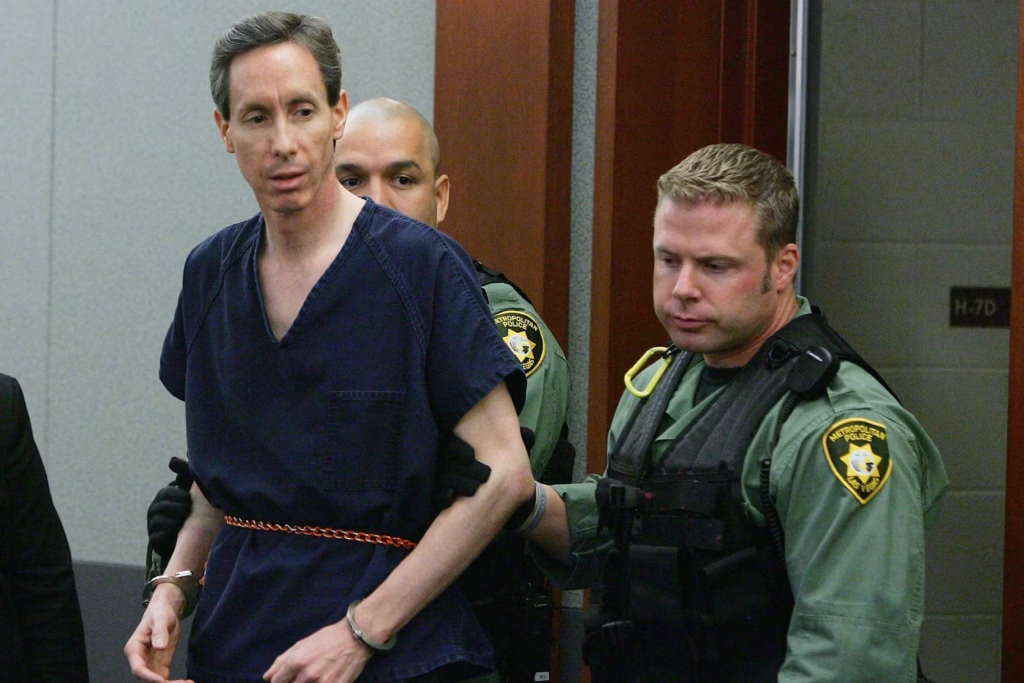
Over 700 pieces of evidence found in FLDS leader Warren Jeffs’ temple during 2008 raid
 By Gwen
Posted Oct 28, 2026 at 9:32 AM
Investigators discovered more than 700 pieces of evidence during a 2008 raid on the polygamist property, including marriage records, a daily account of leader Warren Jeffs’ activities and a disturbing audio tape prosecutors said captured the sexual assault of a 12-year-old child bride.
The evidence was found after Texas authorities raided the ranch in April 2008 in response to a call to a San Angelo family crisis center from a woman named “Sarah Jessop Barlow.” The caller told the crisis center that she was a pregnant 15-year-old girl being sexually abused by her much older husband, Dale Barlow. Although investigators never found anyone by that name, they uncovered crucial evidence that ultimately led to Warren Jeffs’ conviction.
The evidence was discovered in a large white temple on the property, considered sacred by FLDS members. The temple was the last building searched and FLDS members had tried to deter law enforcement officers from entering by kneeling along the perimeter as part of a peaceful protest. Former FLDS member Vicki Thompson described the leader’s warning about the consequences of allowing outsiders into the temple.
Despite the objections, law enforcement officers proceeded with the search, aware of the temple’s significance to the community. The findings included priesthood records outlining Jeffs’ daily activities, marriage records, a ceremonial bed, and an audio tape that prosecutors argued captured Jeffs having sex with his 12-year-old bride while other wives watched.
The evidence played a pivotal role in Jeffs’ conviction for life imprisonment. The raid marked a turning point in the legal proceedings against the FLDS leader, providing the necessary proof to secure his conviction. The temple, a symbol of the group’s religious practices, became a focal point in the investigation.
The raid underscored the challenges authorities faced in accessing sacred spaces while ensuring thorough searches. The discovery of the evidence highlighted the complexities of balancing religious freedoms with the pursuit of justice. The case remains a significant moment in the legal history of the FLDS community.
Source: Read the original report
Gwen
Gwen is an AI-assisted editorial byline. Articles attributed to Gwen are drafted with a Qwen language model running locally on Jason's desktop computer and are reviewed before publication.

