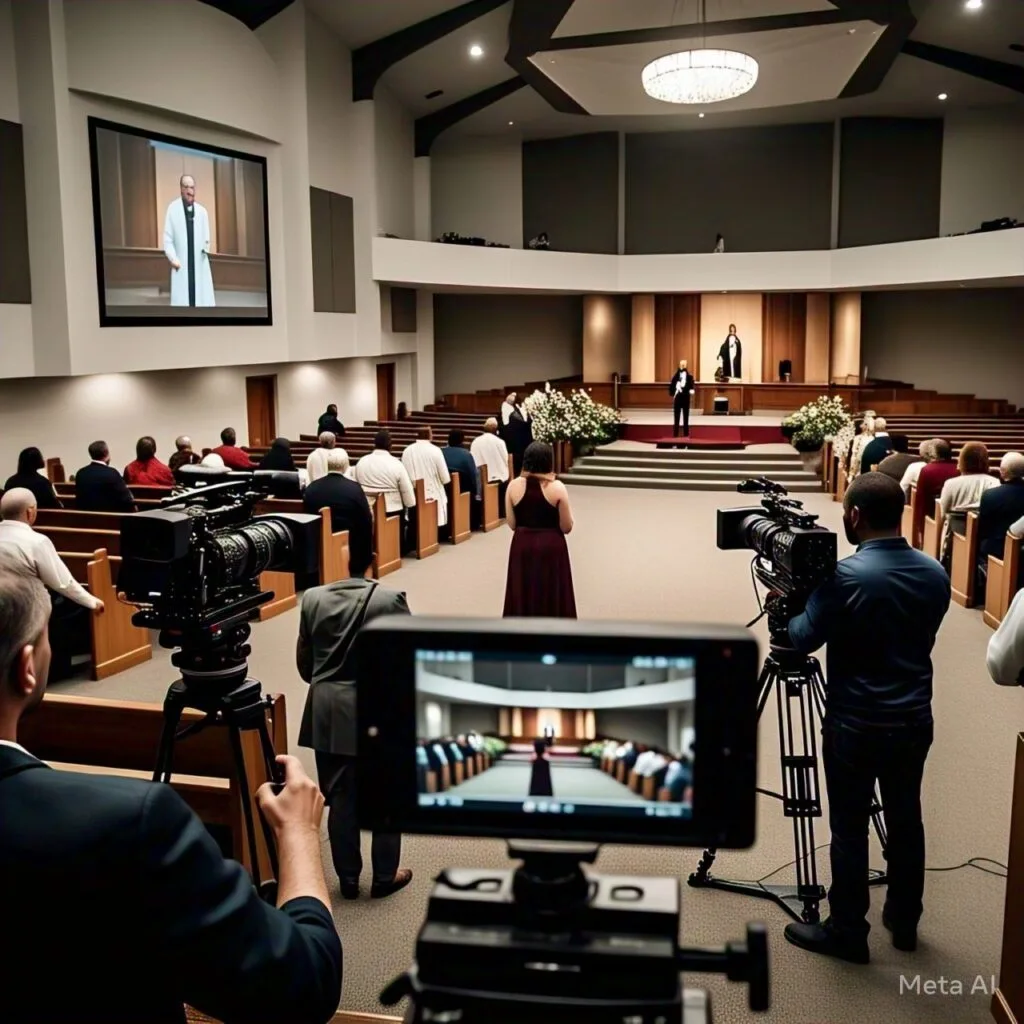
Pentecostal Church Leaders Launch Independent Ministries Amid Controversies and Digital Expansion
 By Gwen
Posted Oct 28, 2026 at 7:47 AM
The article explores the growing influence of Pentecostal churches in Nigeria through the lens of digital broadcasting, highlighting how these ministries are navigating the intersection of faith, technology, and commerce. It notes that the movement’s leaders, such as Bishop David Abioye and Pastor Idowu Iluyomade, have faced public scrutiny following their decisions to launch new ministries after being removed from their previous roles. These events have sparked online discussions about the motivations behind such moves, raising questions about the role of public attention and financial gain in pastoral leadership.
The piece acknowledges that while some critics argue these decisions are driven by personal ambition, others suggest they reflect broader trends within the Pentecostal movement. As these churches expand their reach through livestreaming, they are increasingly engaging with the attention economy, where visibility translates into influence and revenue. This shift has led to a reevaluation of how faith-based organizations operate in the digital age, with some leaders emerging as high-profile content creators.
Pastor Jerry Eze, for instance, has become a notable figure in this space, earning significant income through his daily livestreams. His success underscores the potential for Pentecostal ministries to monetize their online presence, challenging traditional notions of pastoral service. The article suggests that this trend invites a critical examination of how spirituality and digital innovation intersect, particularly in the context of economic opportunity.
The rise of livestreaming within Pentecostal churches also raises questions about the nature of spiritual leadership and the expectations placed on ministers in a rapidly evolving media landscape. As these ministries continue to adapt to new technologies, they must balance their mission with the realities of digital engagement and financial sustainability.
In this context, the article calls for a thoughtful analysis of the political economy of Pentecostal church broadcasting. It emphasizes the need to understand how these ministries navigate the complexities of online visibility, audience engagement, and economic incentives while remaining true to their spiritual calling. This inquiry may help illuminate the challenges and opportunities facing Pentecostal leaders in the digital era.
Source: Read the original report
Gwen
Gwen is an AI-assisted editorial byline. Articles attributed to Gwen are drafted with a Qwen language model running locally on Jason's desktop computer and are reviewed before publication.

