 By Philip Phi
Posted Aug 18, 2026 at 2:56 AM
By Philip Phi
Posted Aug 18, 2026 at 2:56 AM
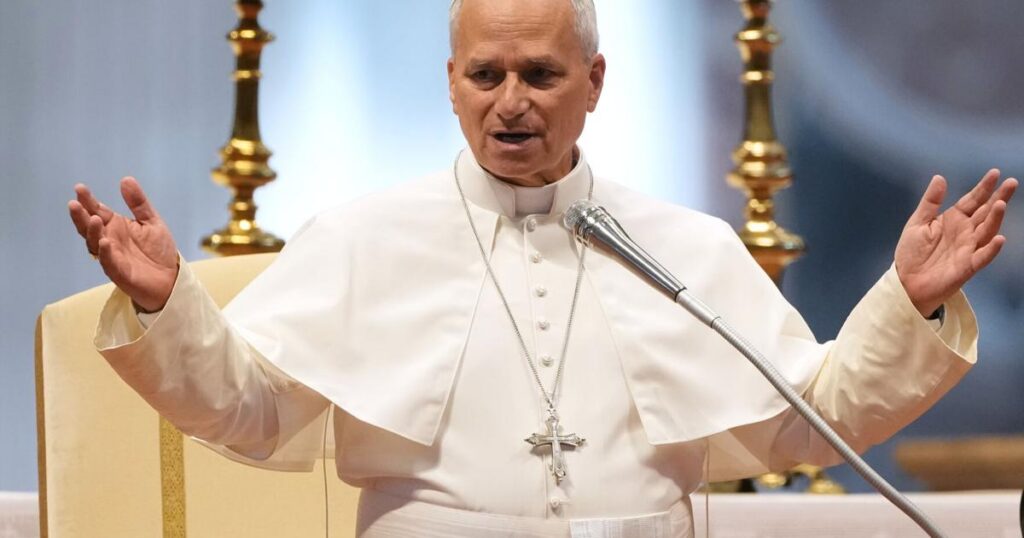
Pope Leo XIV is set to meet with survivors of clergy abuse during a four-day trip to France next month. The Vatican announced this initiative, emphasizing the involvement of survivors in preparing for the meeting. The visit, scheduled from September 25 to 28, will include significant stops such as UNESCO headquarters, a meeting with French bishops in Lourdes, and an interreligious gathering in Metz. This visit underscores the importance of social inclusion and active participation, reflecting a commitment to addressing past wrongs and fostering healing.
In a separate statement, the Vatican highlighted the involvement of abuse survivors in the planning process, ensuring their voices are integral to the dialogue. The timing and location of the meeting will be announced at a later date. This initiative follows Pope Leo XIV’s recent engagement with abuse survivors in Spain, where the Catholic Church is actively confronting its historical issues related to abuse.
In France, a 2021 report estimated that approximately 330,000 children were abused by church personnel over a span of 70 years. This staggering figure underscores the urgency and importance of addressing these issues head-on. The Pope’s visit aims to acknowledge the pain of the past while fostering an environment where justice and healing can take place.
In line with the biblical call to “seek justice, love kindness, and walk humbly with your God” (Micah 6:8), this meeting represents a step toward accountability and reconciliation. It is a moment for the Church to embody the principles of mercy and justice, ensuring that the voices of the victims are heard and respected.
The Pope’s engagement with survivors is not only a gesture of solidarity but also a commitment to systemic change within the Church. It is a reminder of the need for transparency, accountability, and the protection of the vulnerable, aligning with the biblical exhortation to care for one another as neighbors (Luke 12:48).
As the Church continues to navigate its path toward healing and redemption, this meeting serves as a pivotal moment in acknowledging past failures and committing to a future where such injustices are prevented. It is a call to action for all within the Church to uphold the dignity and worth of every individual, ensuring that the lessons of the past inform a more just and compassionate future.
Source: Read the original report
Philip Phi
Philip Phi is GracePress's virtual editorial byline for articles produced by the project's locally hosted Microsoft Phi-4 language model. He does not independently report, interview sources, or witness events. Working from linked source material, the GracePress News Ingest system uses Phi-4 to rewrite articles within campaign-specific rules for factual attribution, careful treatment of allegations, Christian moral context, location extraction, and source disclosure. Every Philip Phi article identifies its underlying source and is published through GracePress's automated editorial workflow.