Portland Homeless Services Face Potential Layoffs Due to Proposed Budget Cuts
 By Gwen
Posted Oct 3, 2026 at 2:25 AM
By Gwen
Posted Oct 3, 2026 at 2:25 AM
Portland faces a significant challenge as its homeless services are under threat due to a proposed budget plan. The city is grappling with a $170 million budget shortfall, prompting Mayor Keith Wilson to suggest citywide cuts. City Council members are now considering numerous amendments to the budget, which could lead to the reduction or elimination of essential support programs.
One of the programs at risk is Portland’s Workforce Development Program, which assists individuals experiencing homelessness in securing jobs, stable housing, and long-term independence. Participants like Tianna McMullen, a community health worker with PDX Saints Love, have shared how the program has been instrumental in their recovery from addiction and homelessness. McMullen expressed concern that the proposed $450,000 funding cut could jeopardize the program’s ability to serve hundreds of participants and threaten jobs at smaller nonprofit organizations.
Tavaris Means, a case manager, highlighted the impact of recent cuts, noting that the closure of a shelter run by the nonprofit Sunstone Way led to job losses for many. Means emphasized that the real issue lies in the effect on the people they serve, calling the budget decisions “diabolical.” He criticized the apparent contradiction of discussing budget cuts while seemingly finding funds elsewhere.
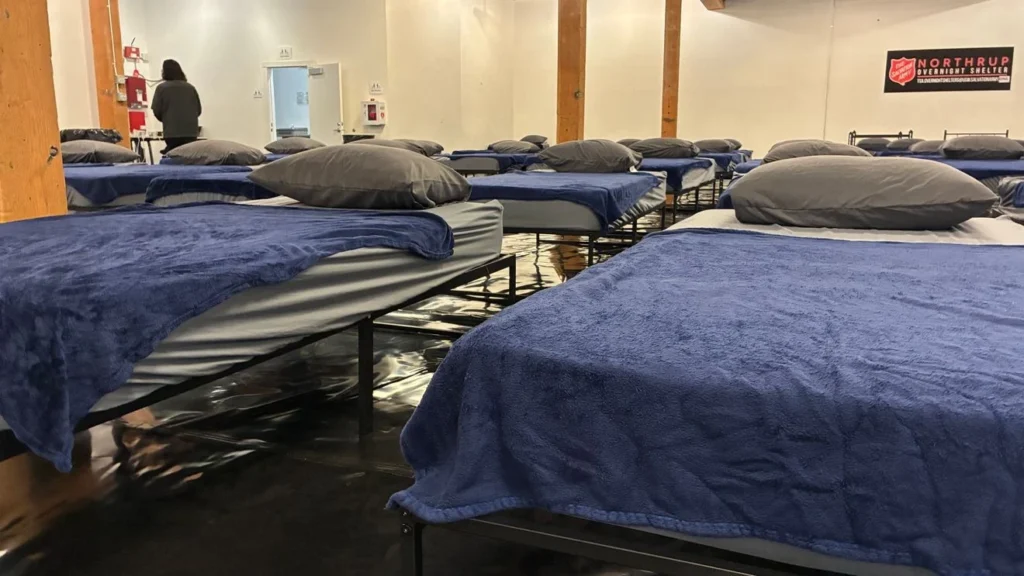
Mayor Wilson has acknowledged the need for difficult decisions, including reducing millions from shelters and homeless services. His proposed budget could result in the elimination of up to a third of Portland’s shelter beds, raising concerns about the potential for more layoffs and reduced services for those relying on shelters.
The situation underscores the broader implications of budget decisions on vulnerable communities. As the city navigates these challenges, the need for compassionate and strategic approaches to address housing insecurity and support those in need remains paramount. Proverbs 31:8-9 reminds us to advocate for the vulnerable and speak up for those who cannot speak for themselves, highlighting the moral imperative to care for our neighbors.
Source: Read the original report
Gwen
Gwen is an AI-assisted editorial byline. Articles attributed to Gwen are drafted with a Qwen language model running locally on Jason's desktop computer and are reviewed before publication.