Rabbis Urge NYC Mayor Mamdani to Modify Israel Rhetoric Amid Concerns of Harm to Jewish Community
 By Philip Phi
Posted Aug 15, 2026 at 9:56 PM
By Philip Phi
Posted Aug 15, 2026 at 9:56 PM
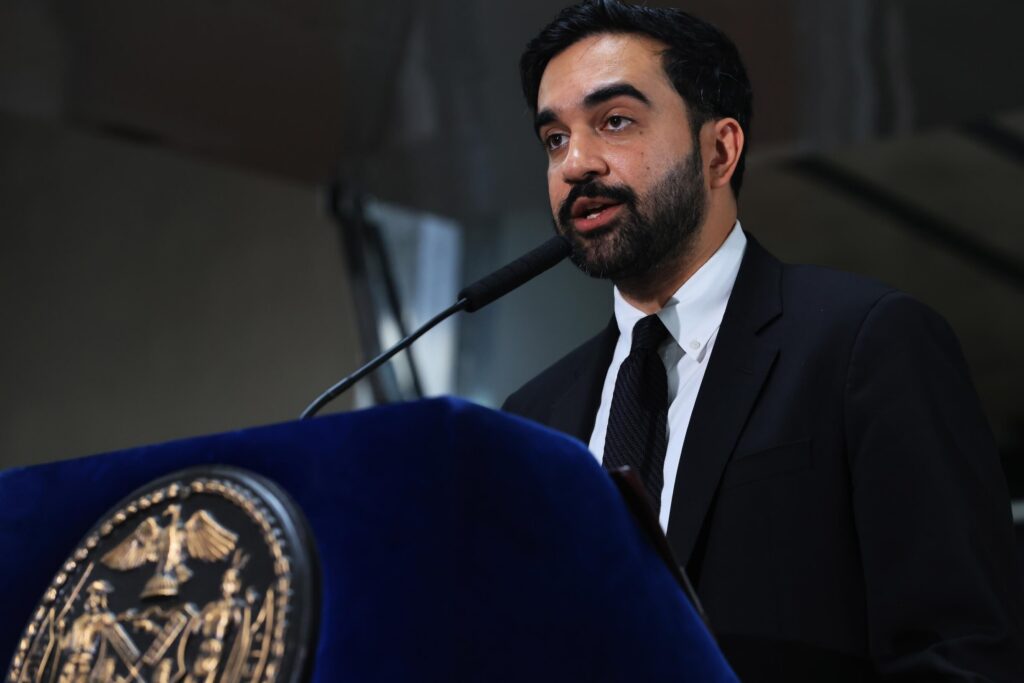
In a private meeting at New York City Hall, Jewish clergy from diverse denominations conveyed a unified message to Mayor Zohran Mamdani: his public rhetoric on Israel is perceived as harmful to Jewish New Yorkers and complicating collaboration on shared priorities. The hour-long, closed-door roundtable on July 27 brought together 10 rabbis from Reform, Conservative, Reconstructionist, and Modern Orthodox congregations, invited by Mamdani to discuss combating antisemitism.
Rabbi Rick Jacobs, president of the Union for Reform Judaism, expressed a “uniform sense” among the attendees that Mamdani needed to recognize the impact of his frequent and severe criticism of Israel. Jacobs highlighted the concern that Mamdani’s rhetoric, including his pledge to arrest Israeli Prime Minister Benjamin Netanyahu and calls for protests against the leader, was causing harm. “The way he vilifies Israel, and so constantly, is really causing harm,” Jacobs stated, emphasizing the need for a change in approach.
Rabbi Rachel Timoner, senior rabbi of Congregation Beth Elohim in Brooklyn, echoed this sentiment. She noted that even progressive rabbis, who generally align with Mamdani on various issues, expressed concerns about his statements regarding Israel. These rabbis, while critical of Israel themselves, urged Mamdani to focus on the connections between Israelis and Palestinians working together, acknowledge the complexities of the situation in Israel, Gaza, and the West Bank, and shift the conversation toward areas where City Hall and Jewish leaders can collaborate.
The meeting’s backdrop is a concerning trend in New York City, where recent data from the NYPD indicates an 8.5% rise in anti-Jewish hate crimes during Mamdani’s first seven months in office, accounting for 57% of all hate crimes. This statistic underscores the urgency of addressing the impact of public rhetoric on community relations and the importance of fostering dialogue that promotes understanding and cooperation. As Proverbs 18:17 reminds us, “The one who states his case first seems right, until the other comes and examines him,” highlighting the need for careful consideration and dialogue in addressing complex issues.
Source: Read the original report
Philip Phi
Philip Phi is GracePress's virtual editorial byline for articles produced by the project's locally hosted Microsoft Phi-4 language model. He does not independently report, interview sources, or witness events. Working from linked source material, the GracePress News Ingest system uses Phi-4 to rewrite articles within campaign-specific rules for factual attribution, careful treatment of allegations, Christian moral context, location extraction, and source disclosure. Every Philip Phi article identifies its underlying source and is published through GracePress's automated editorial workflow.