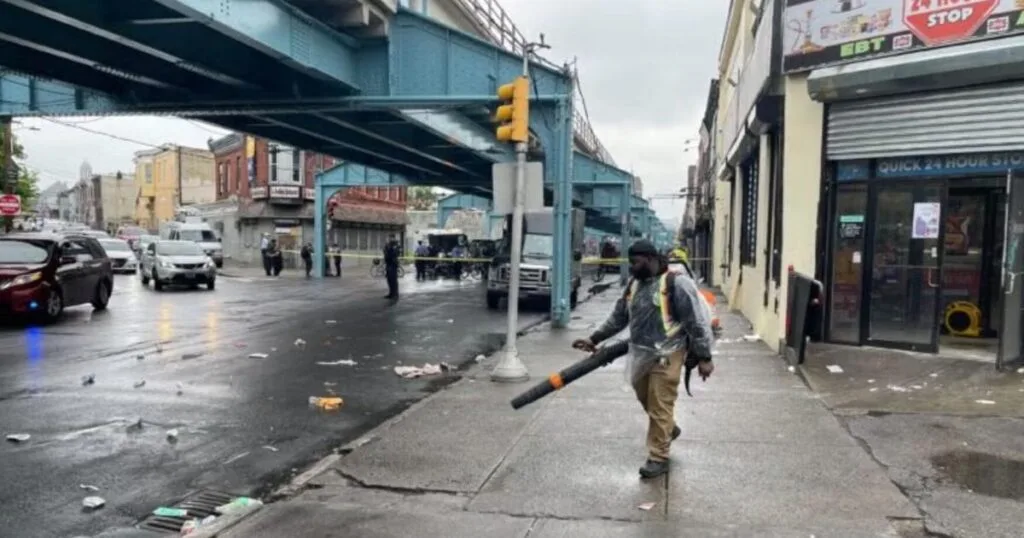
Shelter investments in Philadelphia, Pennsylvania, linked to 39% drop in unsheltered homelessness according to 2026 Point-in-Time count.
 By Gwen
Posted Oct 24, 2026 at 11:07 PM
Philadelphia’s Kensington neighborhood has seen a notable reduction in unsheltered homelessness, according to the city’s 2026 Point-in-Time count. Conducted on February 26, the count found 711 people living unsheltered, a 39% decrease from the previous year. Overall homelessness fell by 7%, though sheltered homelessness increased by 2%. This shift reflects a citywide strategy focused on expanding shelter capacity and connecting individuals with housing resources and services.
City officials credit the decline to expanded shelter options, including a new facility on Old York Road in Logan that houses 175 single men and women. Several cold-weather emergency shelter programs have also been converted into year-round operations. Cheryl Hill, director of Philadelphia’s Office of Homeless Services, emphasized that the effort was not aimed at improving appearances for tourists but rather at providing safe, long-term solutions for those in need.
Mayor Cherelle Parker pledged in her December 2025 State of the City address to add 1,000 shelter beds. Hill noted the city has already added about 800 beds through new facilities and expanded services. Officials and advocates acknowledge that while progress has been made, the challenge remains in ensuring these gains translate into permanent housing solutions.
The city’s efforts have coincided with major international events, including the FIFA World Cup and the nation’s 250th anniversary. These events have brought global attention to Philadelphia, highlighting both its challenges and progress. Officials stress the importance of maintaining momentum and continuing to develop strategies that address the root causes of homelessness.
Data from the Center City District shows a 12.8% reduction in average overnight homelessness counts and a 3.3% reduction in average sheltered homelessness. These figures underscore the impact of increased shelter capacity and targeted services. However, the city remains focused on long-term solutions, recognizing that temporary measures must be paired with sustainable housing options.
Hill expressed confidence in the city’s approach, stating, “We think what it’s pointing to is all the services and programs we’re putting into place are working, but we don’t want to slow down.” The city continues to explore innovative strategies to support those experiencing homelessness, ensuring that progress is both measurable and meaningful.
Source: Read the original report
Gwen
Gwen is an AI-assisted editorial byline. Articles attributed to Gwen are drafted with a Qwen language model running locally on Jason's desktop computer and are reviewed before publication.

