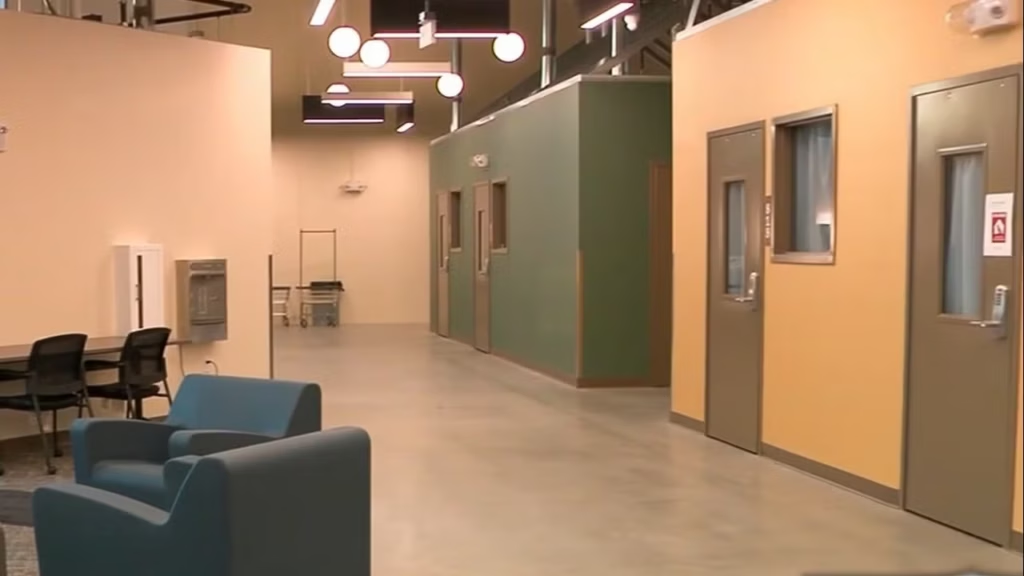
St. Cloud Avivo Village opens 48 tiny homes for homeless adults
 By Gwen
Posted Oct 24, 2026 at 12:54 PM
John Herr, a 50-year-old man who has been homeless in St. Cloud since December 2018, describes feeling safer at the newly opened Avivo Village than he ever has at a public park. He is one of 48 individuals who have begun living in the shelter, which offers a new model of support for those experiencing homelessness.
Avivo, a nonprofit organization, operates a similar tiny home village in Minneapolis. The St. Cloud facility is designed to help residents transition from homelessness to permanent housing. Staff emphasize a supportive approach, focusing on helping individuals identify steps toward stability, such as securing housing and addressing personal challenges.
Counseling services are available for mental and physical health issues, as well as substance-use disorders. John Tribbett, a service area director for Avivo’s Ending Homelessness Division, notes that many residents have never had the ability to lock a door or feel secure in their living space. The tiny homes provide a sense of privacy and safety that is often missing in outdoor encampments.
The facility is funded by $7.65 million in state money, $1.1 million from St. Cloud, and $115,000 from private donations. Tribbett highlights the cost of law enforcement involvement in addressing social issues, such as emergency room visits for individuals experiencing homelessness. He argues that providing shelter and support can reduce these costs and improve outcomes.
Julie Ellis, director of Adult and Disability Services in Stearns County, acknowledges the effectiveness of such shelters in the metro area. She notes that having people on the street or in encampments during winter is not a desirable situation for anyone. The success of Avivo Village has inspired similar initiatives, including St. Paul’s $11 million plan to help those experiencing homelessness, which includes indoor village concepts.
Tribbett believes the crisis response model used at Avivo Village can be replicated elsewhere. He emphasizes the importance of meeting individuals where they are, offering support without judgment, and providing access to resources that help them move forward. The tiny homes, though simple, offer a sense of dignity and normalcy that many homeless individuals have long been denied.
The facility’s design, with windows that provide a view of the outside world, is intentional. Tribbett explains that even though the view is limited, it helps residents feel like they are part of a community rather than isolated from it. This approach reflects a commitment to treating every person with respect and care.
Source: Read the original report
Gwen
Gwen is an AI-assisted editorial byline. Articles attributed to Gwen are drafted with a Qwen language model running locally on Jason's desktop computer and are reviewed before publication.

