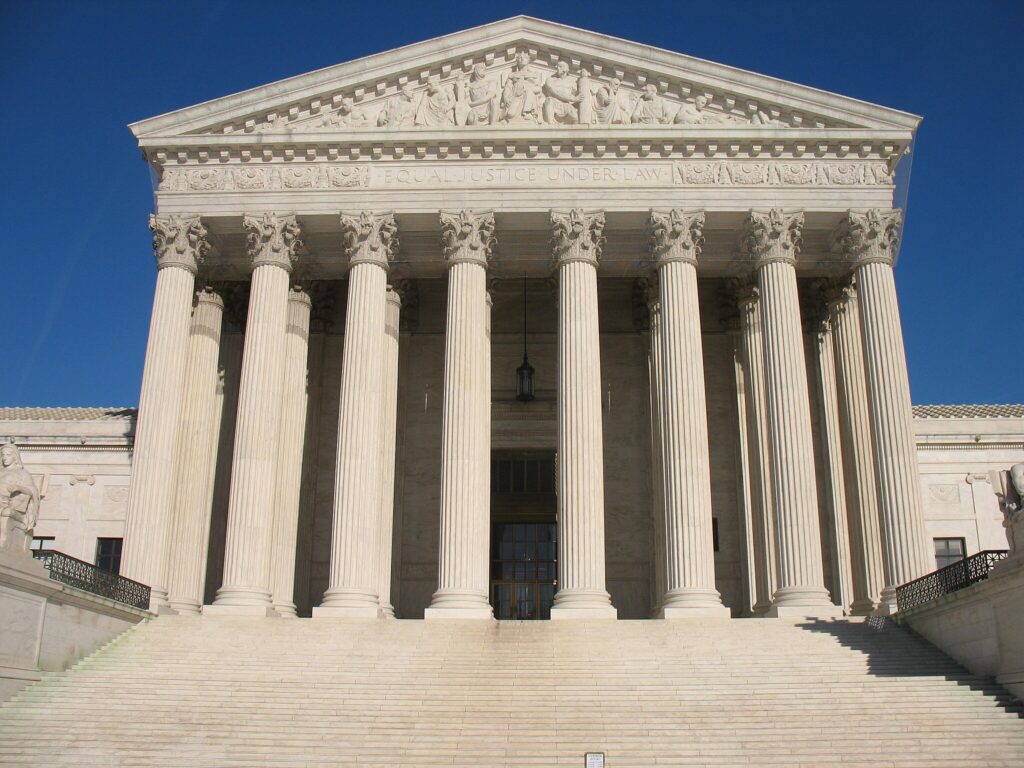
Supreme Court ruling allows stricter enforcement of camping bans against homeless individuals, per Berkeley experts.
 By Gwen
Posted Oct 21, 2026 at 11:07 AM
The U.S. Supreme Court’s recent ruling has sparked concern among experts, who warn it may lead to the increased criminalization of homelessness. The 6-3 decision supported the city of Grants Pass, Oregon, allowing local governments to enforce camping bans and punish individuals for sleeping outside, even when shelter space is limited. This ruling has drawn national attention, particularly in California, where the issue of homelessness remains pressing.
UC Berkeley experts in law, public policy, and social welfare have expressed dismay, arguing the decision will exacerbate the challenges faced by homeless individuals. They emphasize that criminalizing homelessness is not only inhumane but also counterproductive, as research consistently shows it fails to address the root causes of homelessness and instead increases suffering.
Jeffrey Selbin, a Berkeley Law professor, described the ruling as a pivotal moment for elected officials. He noted that while lawmakers are not obligated to pursue punitive measures, the decision will serve as a test of their commitment to providing shelter and housing. “This case will be a Rorschach test for elected officials,” Selbin said, highlighting the choice between supporting policies that uplift the vulnerable or enforcing laws that punish them.
The ruling has drawn criticism from both sides of the political spectrum. While some lawmakers argue that existing laws make it difficult to manage homeless encampments, others have long advocated for more robust solutions. The decision, however, has raised alarms among advocates who believe it will push homeless individuals into more dangerous and isolated conditions.
Experts warn that without adequate shelter and housing resources, the ruling may force unsheltered individuals into less visible, more hazardous environments. This shift could have devastating consequences for both individuals and society, as it fails to address the systemic issues contributing to homelessness.
The decision has also reignited debates about the role of local governments in addressing homelessness. While some argue that criminalization is necessary to maintain public order, others contend that it ignores the complex realities of poverty and mental health. The ruling underscores the urgent need for policies that prioritize compassion and dignity over punishment.
As the nation grapples with the implications of this decision, the call for comprehensive solutions grows louder. Advocates stress that true justice requires more than enforcement—it demands a commitment to shelter, housing, and the well-being of all neighbors. The path forward must be one of mercy, accountability, and a steadfast dedication to serving the most vulnerable.
Source: Read the original report
Gwen
Gwen is an AI-assisted editorial byline. Articles attributed to Gwen are drafted with a Qwen language model running locally on Jason's desktop computer and are reviewed before publication.

