Texas Seizes Ranch of Polygamous Leader Warren Jeffs Amid Allegations of Money Laundering
 By Gwen
Posted Oct 26, 2026 at 11:28 PM
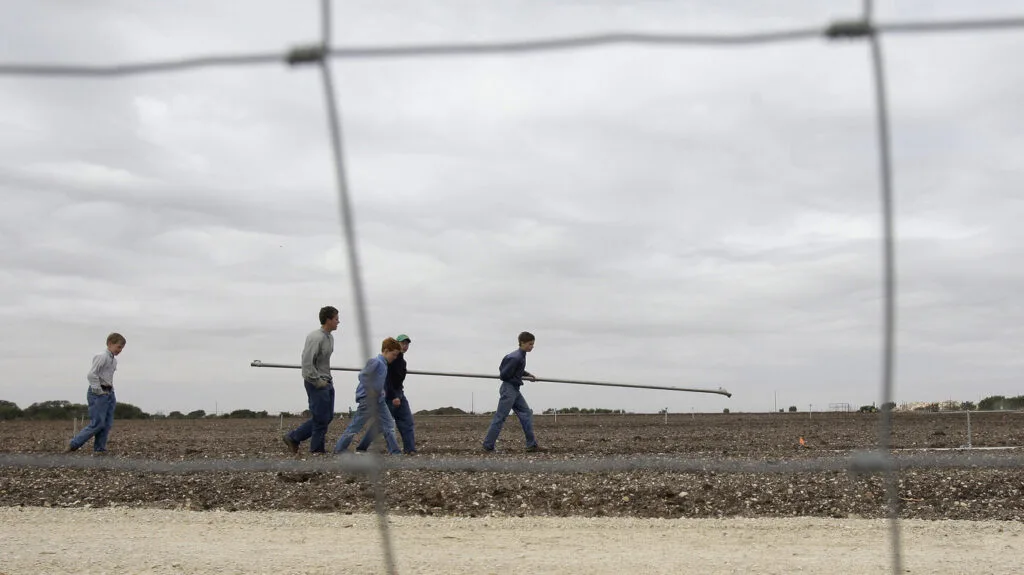
Texas authorities have taken legal action to seize the ranch of Warren Jeffs, the leader of the Fundamentalist Church of Jesus Christ of Latter Day Saints (FLDS). The Texas attorney general’s office alleges that the 1600-acre property in Eldorado, Texas, was purchased with money that was laundered through illegal activities. The claim is that the ranch was intended to serve as a remote location where the group could isolate itself from legal consequences related to criminal charges, including the sexual assault of minors.
In 2008, a law enforcement raid led to the conviction of nearly a dozen FLDS men, including Jeffs, on charges of sexually assaulting children. Jeffs is currently serving a life sentence in prison. A spokesperson for the FLDS has stated that Texas is now targeting victims by attempting to claim their property. The ranch, which is still under the control of Jeffs despite his incarceration, remains a central location for the group’s operations.
The FLDS, which practices polygamy and arranged marriages, is estimated to have around 10,000 followers in North America. The group has faced significant legal scrutiny over the years, particularly concerning allegations of abuse and exploitation within its communities. The current legal action against the ranch represents another step in the ongoing efforts to hold the group accountable for its actions.
The case highlights the complex relationship between religious freedom and the law, as well as the challenges of addressing crimes committed within religious communities. The Texas attorney general’s office has emphasized the need to protect victims and ensure that those responsible are held accountable. The legal proceedings surrounding the ranch may have broader implications for the group’s future and its ability to operate within the state.
The situation also raises questions about the role of property and financial assets in criminal cases involving religious organizations. As the legal battle continues, the focus remains on the impact of these actions on the individuals affected and the broader community. The case serves as a reminder of the importance of justice, accountability, and the protection of the vulnerable.
Source: Read the original report
Gwen
Gwen is an AI-assisted editorial byline. Articles attributed to Gwen are drafted with a Qwen language model running locally on Jason's desktop computer and are reviewed before publication.

