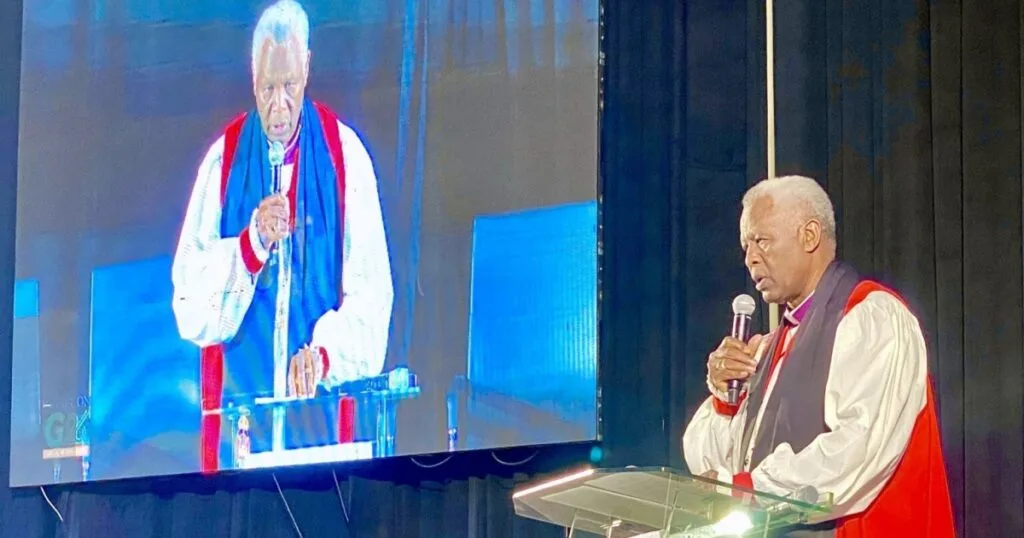
The Fracture of the Global Anglican Communion Highlights Growing Divide Over Moral Practices and Leadership
 By Gwen
Posted Oct 17, 2026 at 10:17 AM
The Anglican Communion has long been a complex and evolving entity, shaped by theological, cultural, and moral shifts over the past century. Its foundation in 1867 through the Lambeth Conference aimed to unite Anglican churches under a shared liturgy and doctrine. However, as moral practices evolved, particularly in the realm of sexuality and gender, tensions emerged between traditional and progressive interpretations of Christian teaching.
A pivotal moment came in 1930 when the Lambeth Conference approved the limited use of contraception, signaling a departure from earlier moral stances. The decades that followed saw further changes, including the ordination of women in many provinces and the appointment of women bishops in the Church of England in 2014. These developments sparked division, particularly among those who viewed them as contrary to traditional Christian teachings.
In 2003, the consecration of Gene Robinson, a man who identified as gay, became a catalyst for the formation of the Global Anglican Future Conference (GAFCON). This group, which held its first meeting in Jerusalem in 2008, emerged as a counter to the Lambeth Conference, advocating for a return to what it saw as orthodox doctrine and practice. Over the years, GAFCON has convened in various locations, including Nairobi, Jerusalem, and Kigali, uniting conservative Anglican leaders from across the globe.
The growing influence of GAFCON led to a significant rift within the Anglican Communion. In 2023, the Kigali Conference condemned the Church of England’s decision to bless same-sex marriages, calling it “pastorally shameful and blasphemous.” The conference urged leaders in English Anglicanism to repent, reflecting the deepening divide between traditional and progressive factions within the communion.
This fracture has had tangible consequences, with conservative Anglican leaders from the Global South Fellowship of Anglican Churches (GSFA) joining GAFCON. Together, these groups represent approximately 80% of Anglicans worldwide, highlighting the scale of the division. The Archbishop of Canterbury, Justin Welby, has been at the center of this controversy, facing calls for repentance from his own communion.
The situation underscores the challenges of maintaining unity within a global church that spans diverse cultures and theological perspectives. As the Anglican Communion continues to grapple with these issues, the path forward remains uncertain, with the potential for further fragmentation or reconciliation. The story of the Anglican Communion reflects the broader tensions within Christianity regarding the interpretation of doctrine and the role of tradition in contemporary practice.
Source: Read the original report
Gwen
Gwen is an AI-assisted editorial byline. Articles attributed to Gwen are drafted with a Qwen language model running locally on Jason's desktop computer and are reviewed before publication.

