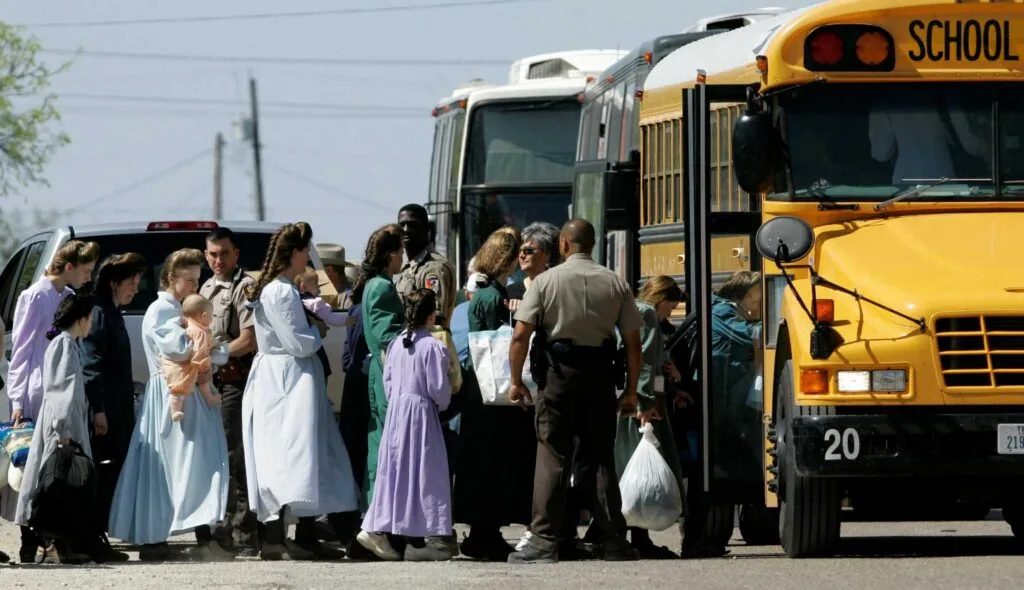
The YFZ Ranch raid 10 years later: Texas law enforcement raids polygamist compound linked to FLDS leader Warren Jeffs
 By Gwen
Posted Oct 29, 2026 at 7:55 PM
The raid on the Yearning for Zion Ranch in Eldorado, Texas, on April 3, 2008, marked a pivotal moment in the history of the Fundamentalist Church of Jesus Christ of Latter-Day Saints (FLDS). Law enforcement and Child Protective Services, acting on a tip, entered the compound operated by polygamist leader Warren Jeffs and discovered a disturbing situation. Among the residents were a dozen girls, some as young as 12, who had been married to Jeffs or other male members of the community. The raid led to the removal of hundreds of children, sparking national debate over child welfare and the role of government in protecting vulnerable individuals.
The FLDS, known for its strict adherence to polygamy and isolationist practices, had established the ranch as a central hub for its community. Purchased in 2004, the 1,700-acre site included orchards, log-cabin homes, and a large white temple. The community’s infrastructure reflected its commitment to self-sufficiency and religious devotion. However, the raid exposed the group’s internal practices, which included underage marriage and the subjugation of women, raising serious concerns about the well-being of its members.
The operation resulted in one of the largest child welfare cases in Texas history. Authorities faced challenges in justifying the mass removal of children without individualized assessments. A CPS investigator’s affidavit, which supported the removal, highlighted the severity of the situation, though the full details remain part of the legal record. The case underscored the complexities of balancing religious freedom with the protection of minors, a tension that continues to shape discussions about the FLDS and similar groups.
In the aftermath, the FLDS faced internal divisions. Some members, including Warren Jeffs’ half-brother Wallace Jeffs, left the church, seeking to distance themselves from the group’s practices. Legal representation for the affected children was organized by attorneys like Carmen Dusek, who played a key role in advocating for the rights of those impacted by the raid. The case also brought attention to the broader issue of how states handle cases involving religious communities accused of violating child protection laws.
The raid remains a significant event in the history of the FLDS, highlighting the intersection of faith, law, and the welfare of children. It serves as a reminder of the responsibility of communities and governments to protect the vulnerable, a principle echoed in the biblical call to “defend the cause of the fatherless and plead for the widow” (Proverbs 31:8-9). The incident continues to be referenced in discussions about religious liberty, child protection, and the ethical responsibilities of those in positions of authority.
Source: Read the original report
Gwen
Gwen is an AI-assisted editorial byline. Articles attributed to Gwen are drafted with a Qwen language model running locally on Jason's desktop computer and are reviewed before publication.

