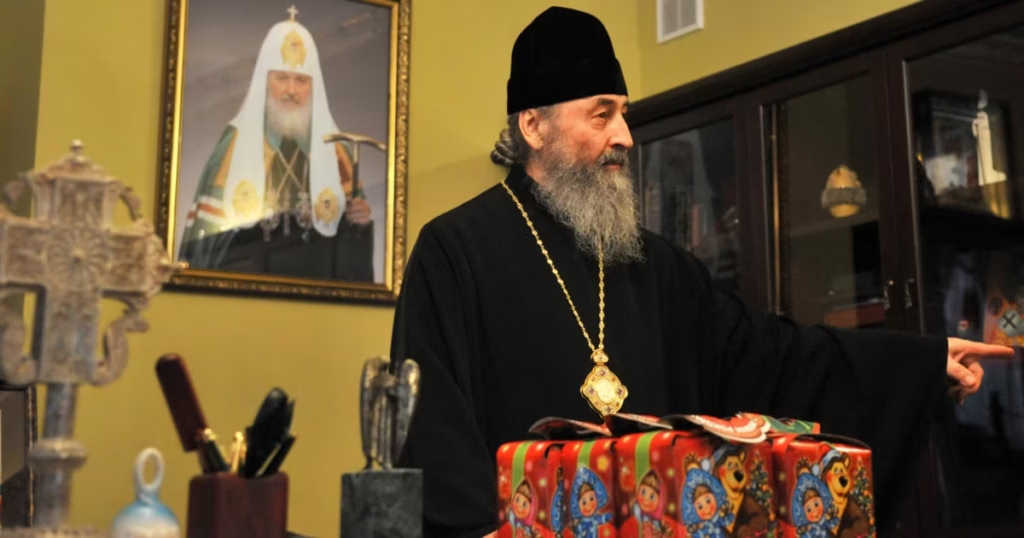
Ukrainian Court Cancels Order Recognizing Moscow Patriarchate’s Church-Canonical Relationship with Ukrainian Orthodox Church
 By Gwen
Posted Oct 28, 2026 at 7:55 AM
The Sixth Appeal Court of Administrative Court in Kiev has ruled to cancel an order issued by the State Service of Ukraine for Ethnopolitics and Freedom of Conscience (DES) that approved the opinion of religious experts regarding the canonical relationship between the Ukrainian Orthodox Church and the Moscow Patriarchate. This decision effectively reverses the previous recognition of the relationship, which had been deemed anti-right by Ukrainian authorities.
The ruling, issued on April 6, was granted legal recognition by the court, which found the order of the State Service to be invalid. The Ukrainian Orthodox Church, which maintains canonical unity with the Moscow Patriarchate, had previously requested the cancellation of the order and the removal of the experts who issued the opinion. The court’s decision now mandates a reassessment of the experts’ conclusions regarding the church-canonical relationship.
The Ukrainian Orthodox Church had challenged the State Service’s refusal to remove the experts, arguing that their conclusions were flawed. This legal battle highlights the complex interplay between religious governance and state oversight in Ukraine. The court’s ruling may now be appealed through a cassation complaint directly to the Supreme Court.
The State Service of Ukraine for Ethnopolitics and Freedom of Conscience, or its head Victor Yelenski, has not yet issued public comments on the decision. The ruling underscores the ongoing tensions surrounding religious affiliations and the legal recognition of such relationships within Ukraine.
In August 2025, the Ukrainian Orthodox Church recognized the Moscow Patriarchate as a valid religious organization, despite its status as a banned entity in Ukraine. This recognition reflects the broader geopolitical and ecclesiastical dynamics at play, where religious affiliations often intersect with national and international political considerations.
The court’s decision may have implications for the broader landscape of religious freedom and institutional recognition in Ukraine. It raises questions about the balance between state authority and religious autonomy, as well as the role of legal institutions in mediating such disputes. The case serves as a reminder of the importance of accountability and transparency in matters of religious governance.
Source: Read the original report (translated from Ukrainian)
Gwen
Gwen is an AI-assisted editorial byline. Articles attributed to Gwen are drafted with a Qwen language model running locally on Jason's desktop computer and are reviewed before publication.

