Vatican Recalls Framework of Its Equestrian Orders
 By Gwen
Posted Oct 16, 2026 at 6:49 AM
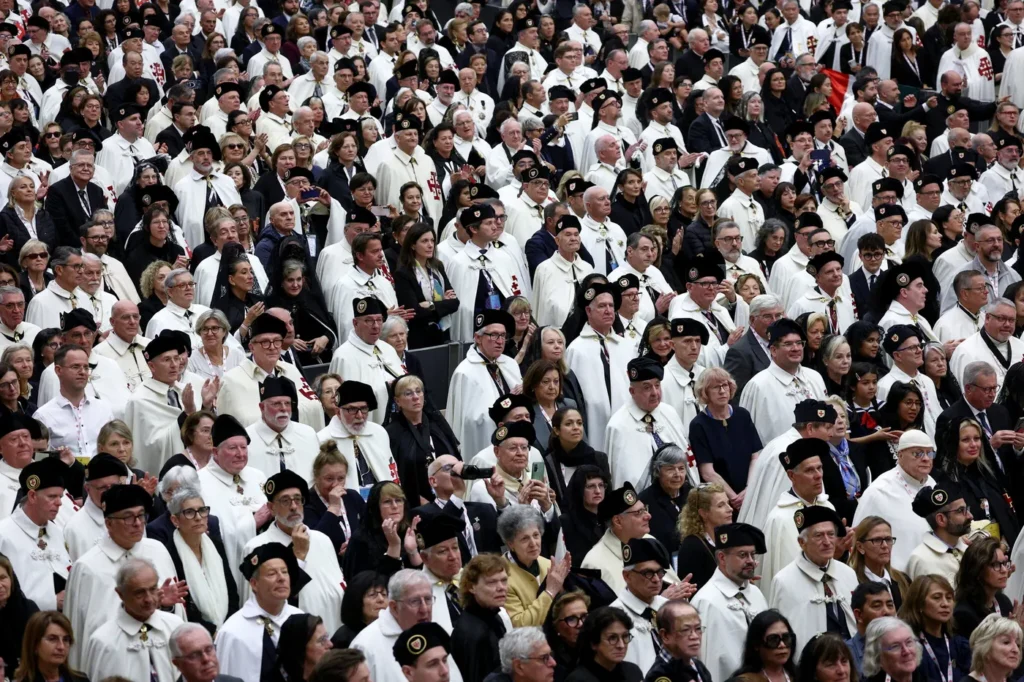
The Vatican has issued a reminder about the framework of its equestrian orders, clarifying the status of these chivalric groups within the Catholic Church. These orders, often associated with their distinctive appearance—such as the great cape adorned with a cross and sometimes a medal—are part of a long-standing tradition of Catholic knighthood. Among them, the Order of Malta and the Order of the Holy Sepulcher stand out for their extensive international presence and humanitarian efforts.
The Order of Malta, active in approximately 130 countries, engages in medical, social, and humanitarian work, providing aid to those in need across the globe. Similarly, the Order of the Holy Sepulcher supports Christian communities in the Holy Land, reflecting the Church’s commitment to serving the faithful in regions of particular religious significance.
Despite the presence of numerous chivalric groups within the Catholic Church, only seven are officially recognized by the Holy See. This distinction underscores the Vatican’s role in overseeing and legitimizing these orders, ensuring they align with the Church’s mission and values.
The Vatican’s clarification comes amid growing interest in these orders, with some individuals seeking to join what they perceive as an elite group. This interest highlights the enduring appeal of chivalric traditions within the Catholic community, even as the Church maintains strict criteria for official recognition.
The recognition of these orders by the Holy See serves to affirm their role in promoting charitable work and spiritual service. It also reflects the Church’s historical emphasis on service, mercy, and care for the vulnerable, as seen in the teachings of Micah 6:8, which calls for doing justice, loving kindness, and walking humbly with God.
While the Vatican maintains control over the official recognition of these orders, it also encourages their continued contributions to global humanitarian efforts. This balance between tradition and service illustrates the Church’s ongoing commitment to both spiritual and practical forms of ministry.
Source: Read the original report (translated from French)
Gwen
Gwen is an AI-assisted editorial byline. Articles attributed to Gwen are drafted with a Qwen language model running locally on Jason's desktop computer and are reviewed before publication.

