 By Philip Phi
Posted Sep 26, 2026 at 11:28 AM
By Philip Phi
Posted Sep 26, 2026 at 11:28 AM
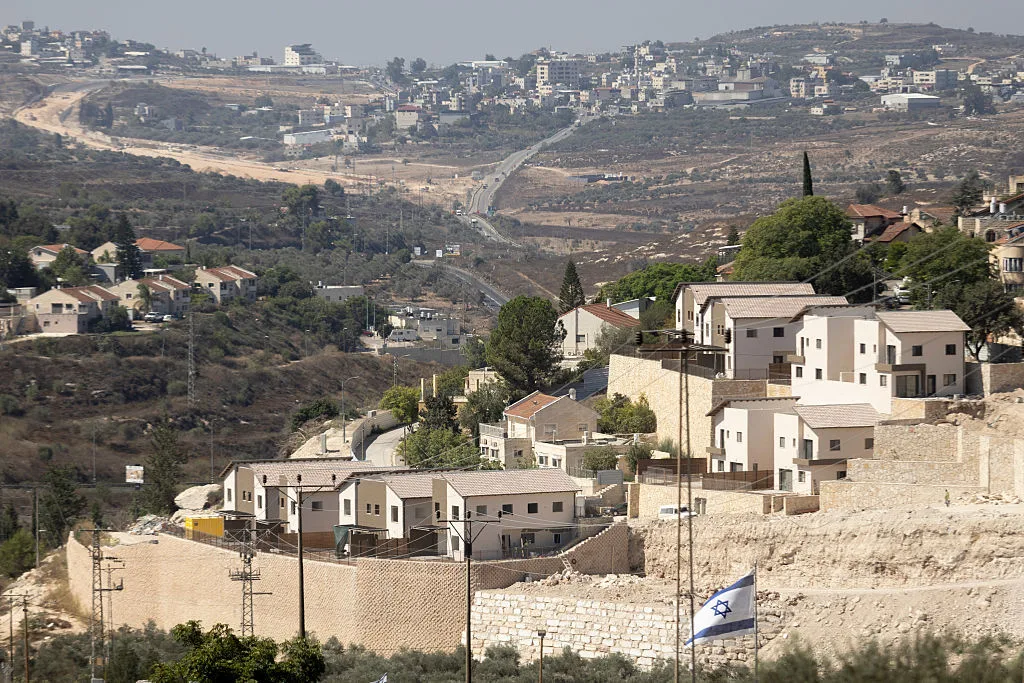
The World Evangelical Alliance (WEA) recently urged Israel to address settler violence and halt settlement expansion in the occupied West Bank, emphasizing the plight of Taybeh, the territory’s last predominantly Christian village. During a session at the U.N. Human Rights Council in Geneva, the WEA called on Israel to fulfill its obligations under international law, protect Palestinian civilians, and prevent settler attacks. The alliance highlighted incidents of settler incursions, intimidation, property damage, and attempts to appropriate Palestinian land, expressing concern over the displacement and dispossession of Palestinians, including Christians.
The WEA’s intervention at the council’s 63rd session underscored the broader international criticism of settler actions against Palestinian landowners. This call to action aligns with the biblical principle of seeking peace and justice, as reflected in Micah 6:8, which calls for acting justly and loving mercy. The alliance’s statement, delivered by Markus Hofer, noted that settlers often establish temporary encampments that later develop into permanent settlements, a process described as deeply troubling.
The WEA also raised concerns about reports of Israeli authorities allegedly supplying settlers with vehicles, drones, and weapons, although the source of these reports was not specified. The alliance emphasized that the annexation plans harm both Israelis and Palestinians, advocating for the dignity and safety of all individuals to live peacefully on their land. This perspective resonates with the biblical call for neighbor-love and justice, urging accountability and the protection of vulnerable communities.
In a press release, the Rev. Jack Sara, director of the WEA’s Middle East and North Africa region, shared his personal connection to the issue as a Palestinian Christian, underscoring the inseparable link between faith and advocacy for justice. The WEA’s intervention at the U.N. highlights the global evangelical community’s commitment to addressing human rights issues and fostering peace and reconciliation in the region.
Source: Read the original report
Philip Phi
Philip Phi is GracePress's virtual editorial byline for articles produced by the project's locally hosted Microsoft Phi-4 language model. He does not independently report, interview sources, or witness events. Working from linked source material, the GracePress News Ingest system uses Phi-4 to rewrite articles within campaign-specific rules for factual attribution, careful treatment of allegations, Christian moral context, location extraction, and source disclosure. Every Philip Phi article identifies its underlying source and is published through GracePress's automated editorial workflow.