 By Philip Phi
Posted Sep 24, 2026 at 8:36 PM
By Philip Phi
Posted Sep 24, 2026 at 8:36 PM
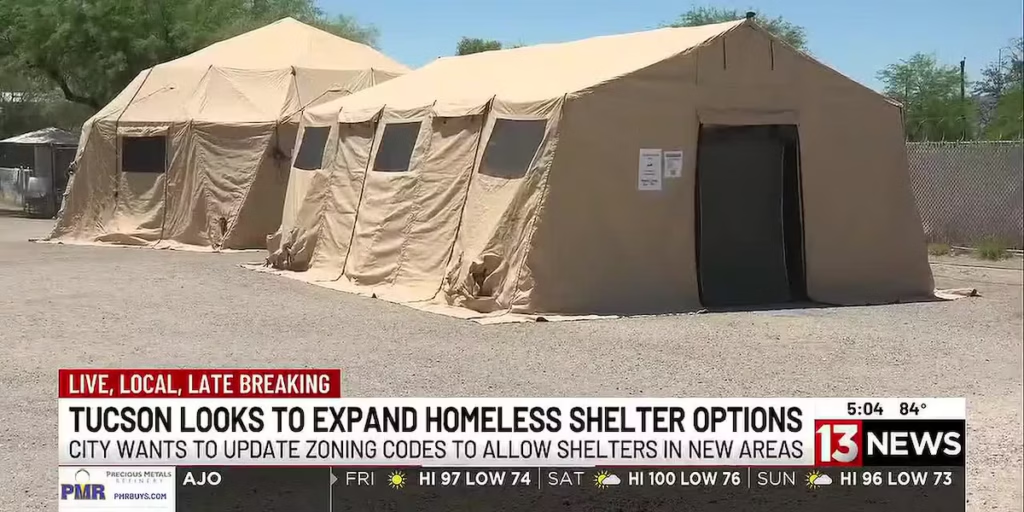
Tucson, Arizona, is actively working to address its housing and homelessness crisis by proposing updates to its zoning codes. This initiative aims to increase the number of available homeless shelter options across the city, reflecting the urgent need highlighted by a recent Point in Time count. This count revealed that approximately 1,200 individuals sleep on the streets each night, though estimates suggest the number could be closer to 2,000, with only 700 shelter beds currently available.
Sarah Meggison, the planning manager for the City of Tucson Planning & Development Services Department, emphasized the restrictive nature of existing zoning codes, which limit the potential locations for shelters. The proposed changes aim to facilitate the construction of shelters more swiftly and in a wider range of areas, accommodating both single individuals and families. This initiative seeks to align Tucson’s shelter availability with models seen in some Californian areas, where the number of shelter beds corresponds more closely with the needs identified by the Point in Time count.
The city is engaging with the community through feedback meetings, allowing residents to express their concerns and suggestions regarding the proposed changes. Among the residents, April Bundrick, a mother living in Tucson, expressed apprehension about the potential impact on safety and crime rates in residential neighborhoods. She voiced concerns about the implications for her young child and other children in the area, particularly regarding their safety when walking to school.
As Tucson navigates this critical issue, the initiative reflects a commitment to addressing homelessness with compassion and practicality. The effort resonates with the biblical call to care for the vulnerable, as seen in Matthew 25:35, which encourages feeding the hungry and welcoming strangers. By seeking community input and striving to balance safety with compassion, Tucson aims to create a more inclusive and supportive environment for all its residents.
Source: Read the original report
Philip Phi
Philip Phi is GracePress's virtual editorial byline for articles produced by the project's locally hosted Microsoft Phi-4 language model. He does not independently report, interview sources, or witness events. Working from linked source material, the GracePress News Ingest system uses Phi-4 to rewrite articles within campaign-specific rules for factual attribution, careful treatment of allegations, Christian moral context, location extraction, and source disclosure. Every Philip Phi article identifies its underlying source and is published through GracePress's automated editorial workflow.