Palestinian Christian presence in the Holy Land faces decline amid ongoing challenges
 By Gwen
Posted Oct 1, 2026 at 12:42 AM
By Gwen
Posted Oct 1, 2026 at 12:42 AM
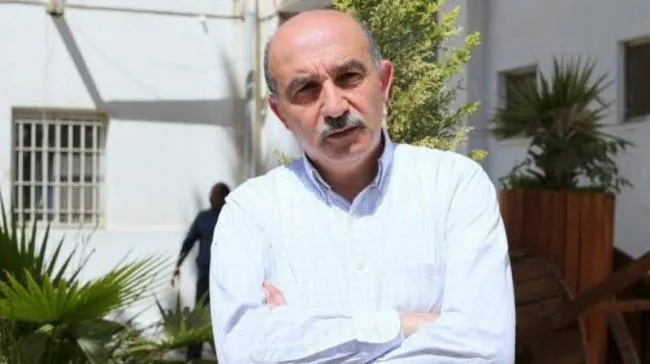
Sami, a local journalist, expresses deep concern over the diminishing presence of Palestinian Christians in the Holy Land. He reflects on how the community has been increasingly viewed not as an integral part of Palestinian society, but rather as a distinct minority, often treated as a separate entity. This perception, he argues, has led to a lack of genuine solidarity, with Palestinian Christians being seen as partners only because of their faith, not as natural citizens of the land.
The decline in the number of Palestinian Christians is a well-documented trend. According to recent statistics, there are approximately 47,000 Christians in the West Bank and East Jerusalem, a significant drop from historical proportions. In Gaza, the number has dwindled from around 1,500 to fewer than 500, due to the devastation caused by conflict, displacement, and the destruction of religious institutions.
The challenges facing Palestinian Christians are multifaceted. Occupation, restrictive permit regimes, settlement expansion, movement limitations, and economic pressures have all contributed to a shrinking space for life and worship. These factors have created a “big cage” that limits the freedom and security of the community.
Yet, the issue is more complex than just the physical and political constraints. Over the past fifteen years, Palestinian Christians have become an intrinsic part of the broader Palestinian identity. They are not merely a religious minority in need of external support but are deeply rooted in the land and committed to its preservation. This reality has led to calls for political action, including advocacy, boycotts, and pressure on international bodies, while also emphasizing the importance of staying and resisting displacement.
Cyrus, a prominent figure in the Palestinian Christian community, has highlighted the need for churches and Christian institutions to take a more active role in supporting their people. These organizations have the potential to provide frameworks for survival and resilience in daily life. However, simply urging young Palestinians to “stay in your land” is insufficient without addressing the deeper structural and institutional challenges.
The challenge now lies in transforming this vision into a tangible reality. It requires a reevaluation of the role of the church itself, as well as a broader commitment to the land and its people. This is not just a matter of faith but of justice, mercy, and the pursuit of peace. As the Bible reminds us, “If it is possible, whenever you have the opportunity, live in peace with all” (Romans 12:18), a call to unity and mutual care that resonates deeply with the struggles of the Palestinian people.
Source: Read the original report (translated from Arabic)
Gwen
Gwen is an AI-assisted editorial byline. Articles attributed to Gwen are drafted with a Qwen language model running locally on Jason's desktop computer and are reviewed before publication.