Arabic Language in the Dawns of the Zionist-Arab Conflict Examines Ideological and Symbolic Dimensions
 By Gwen
Posted Oct 6, 2026 at 10:21 AM
By Gwen
Posted Oct 6, 2026 at 10:21 AM
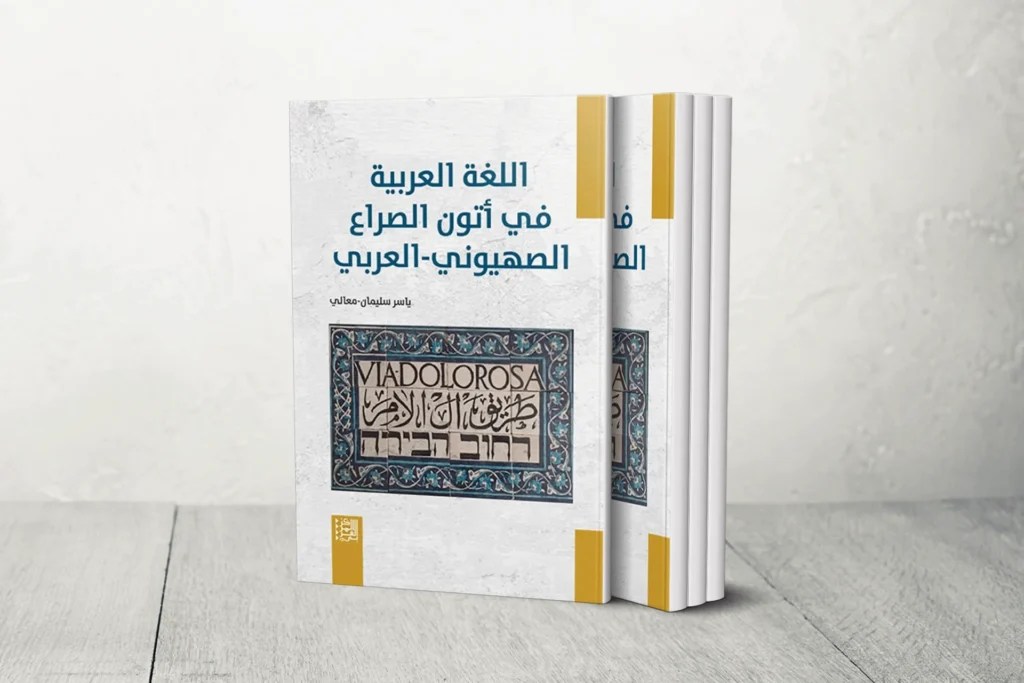
The new book by Dr. Yasser Sulaiman-Maali, titled “Arabic in the Dawns of the Zionist-Arab Conflict,” continues his academic exploration of the role of language in shaping identity and ideological conflict. The work, published by the Arab Centre for Research and Policy Study in Beirut, is part of an ongoing research project that examines the transformation of Arabic from a mere means of communication into a symbol of national and cultural identity. This shift, according to the author, has been deeply influenced by historical and political forces.
Sulaiman-Maali distinguishes between the functional and symbolic roles of language, emphasizing how Arabic has become an inseparable part of the concept of “homeland” for many communities. His research builds on his earlier work, including the Arabic-language publication “Arabic Language and National Identity: A Study of Ideology,” which was released through the “Word for Translation” project. This continuity reflects a broader academic effort to analyze language as both a tool and a battleground for identity.
The title of his new book, “Arabic in the Dawns of the Zionist-Arab Conflict,” is deliberately chosen to highlight the historical roots of the conflict. The term “dawns” suggests an early stage, but the author argues that the conflict’s origins are deeply tied to the 19th-century Zionist movement. By framing the conflict as “Zionist-Arab,” he challenges the more commonly used terms like “Arab-Israeli” or “Arab-Shiuni,” which he believes oversimplify the complex interplay of ideologies and ethnic dimensions.
Sulaiman-Maali’s analysis extends beyond the Arab perspective, acknowledging the role of Zionist movements, particularly the Ashkenazi branch, in shaping the conflict. He notes that these movements have historically influenced not only the Jewish population in the region but also Arab Jews, creating a layered conflict that transcends ethnic lines. This perspective underscores the multifaceted nature of the struggle, rooted in both ideological and cultural tensions.
The book avoids taking sides in the conflict, instead focusing on presenting evidence and historical records. Sulaiman-Maali emphasizes the importance of factual analysis over emotional rhetoric, ensuring that the narrative remains grounded in historical context. This approach aligns with the biblical principle found in Micah 6:8, which calls for justice, mercy, and humility in how we engage with others.
By examining the symbolic role of Arabic in the context of the Zionist-Arab conflict, Sulaiman-Maali contributes to a deeper understanding of how language can serve as both a unifying force and a source of division. His work invites reflection on the responsibilities of communities to preserve and honor their linguistic heritage while engaging in dialogue that fosters mutual respect and peace.
Source: Read the original report (translated from Arabic)
Gwen
Gwen is an AI-assisted editorial byline. Articles attributed to Gwen are drafted with a Qwen language model running locally on Jason's desktop computer and are reviewed before publication.