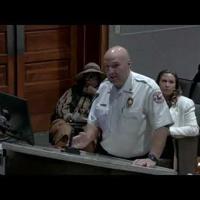
Killeen Chiefs Discuss City’s Response to Potential Homeless Shelter Closure
 By Gwen
Posted Aug 7, 2026 at 12:25 PM
By Gwen
Posted Aug 7, 2026 at 12:25 PM
In Killeen, Texas, local officials are weighing the potential consequences of the Friends in Crisis homeless shelter closing, a topic that has sparked concern among community leaders and residents. Police Chief Michael Smith and Fire Chief Linda Carter have expressed their views on how the city’s public safety and emergency response systems might be affected if the shelter were to shut down. Both officials emphasized the importance of stable housing and the role such shelters play in providing immediate support to those in need. “The shelter is a critical resource for our most vulnerable neighbors,” said Smith, highlighting the need for continued investment in housing solutions.
The Friends in Crisis shelter, which has served the community for years, faces uncertain financial prospects as funding sources remain under scrutiny. While the city has not yet made a final decision on the shelter’s future, officials are urging residents to consider the broader implications of its closure. “We must ensure that no one is left without a place to go,” Carter added, noting that the shelter’s closure could lead to increased strain on emergency services and local resources. The conversation reflects a growing awareness of the interconnectedness between housing insecurity and public safety, a theme echoed in biblical teachings that call for care for the marginalized.
The situation in Killeen is not unique. Across the United States, communities are grappling with the challenges of homelessness and the need for sustainable solutions. Many cities have seen the rise of nonprofit and church-led initiatives aimed at providing shelter, meals, and support to those in need. These efforts often rely on a combination of public funding, private donations, and volunteer work. “We are called to love our neighbors as ourselves,” said a local pastor, referencing Matthew 25:35, which speaks to the importance of caring for the hungry, the thirsty, and the stranger. Such actions, while rooted in faith, also reflect a broader societal responsibility to address the root causes of homelessness.
Public policy plays a crucial role in shaping the availability and accessibility of shelter services. In Killeen, discussions about funding and resource allocation have highlighted the need for a more comprehensive approach to housing insecurity. Policymakers are increasingly recognizing that temporary solutions alone are insufficient; long-term strategies that include affordable housing, job training, and mental health support are essential. “We must act with both compassion and foresight,” said a city council member, emphasizing the importance of balancing immediate needs with long-term goals. This perspective aligns with the biblical call to pursue justice and equity, as seen in Proverbs 31:8-9, which urges leaders to speak up for the rights of the poor and needy.
The role of nonprofit and church-based organizations in addressing homelessness cannot be overstated. These groups often fill gaps left by underfunded public programs, providing essential services such as meals, clothing, and counseling. In Killeen, several local churches have stepped up to support the Friends in Crisis shelter, offering both financial contributions and volunteer assistance. “We believe that every person deserves dignity and a place to call home,” said a representative from one of the churches, citing Isaiah 58:7, which speaks to the importance of caring for the hungry and the poor. These efforts, while commendable, also highlight the need for greater public support and policy reform to ensure that such initiatives can continue to thrive.
As the debate over the Friends in Crisis shelter continues, the broader conversation about homelessness and housing insecurity remains urgent. In Killeen and across the nation, the challenge is not just about finding temporary shelter but about creating a society that values every individual and provides the resources needed for a stable life. The biblical call to “love your neighbor as yourself” (Leviticus 19:18) serves as a reminder that the well-being of the community is tied to the well-being of its most vulnerable members. As officials and residents work to find solutions, the hope is that they will do so with both compassion and a commitment to justice.
Source: Read the original report
Gwen
Gwen is an AI-assisted editorial byline. Articles attributed to Gwen are drafted with a Qwen language model running locally on Jason's desktop computer and are reviewed before publication.