 By Gwen
Posted Aug 9, 2026 at 1:15 PM
By Gwen
Posted Aug 9, 2026 at 1:15 PM
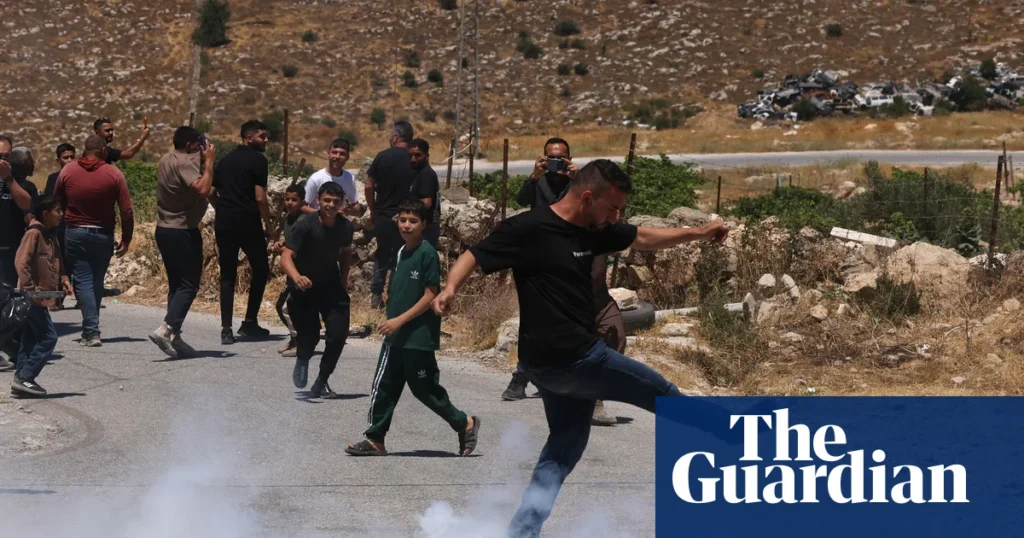
The recent leaked letter from prominent Israelis, including former prime ministers and security chiefs, has sparked significant debate over Israel’s policies in the West Bank. The letter, which threatens legal action against the Israeli government for an “ideology of ethnic cleansing,” highlights internal dissent within Israel’s political and cultural elite. The signatories argue that the government’s actions in the occupied territories are not only violating international law but also contributing to a rise in global antisemitism. This intervention comes amid growing international scrutiny of Israel’s military operations and its impact on Palestinian communities.
The letter draws a stark parallel between Israel’s current actions and historical anti-Jewish pogroms in Europe, suggesting that the Israeli government’s policies are not only ethically indefensible but also dangerously reminiscent of past atrocities. By framing the situation in such terms, the signatories aim to provoke a reevaluation of Israel’s role in the region and its broader implications for Jewish communities worldwide. The comparison, while provocative, underscores the gravity of the situation and the potential for escalating tensions.
In the United Kingdom, Prime Minister Keir Starmer’s recent resignation speech emphasized his efforts to combat antisemitism within the Labour Party. However, critics argue that his approach has been inconsistent, failing to distinguish between genuine antisemitism and legitimate criticism of Israel’s policies. This ambiguity has led to the expulsion of many Jewish members who opposed the party’s stance on Israel’s actions. The situation reflects a broader challenge in balancing the fight against antisemitism with the need to address legitimate concerns about Israel’s conduct.
The Israeli government’s response to the leaked letter has been largely dismissive, with officials accusing critics of hypocrisy and failing to understand the complexities of the conflict. This stance has fueled further accusations that Israel is using its influence to silence dissent and suppress criticism, both domestically and internationally. The tension between Israel’s actions and the global response highlights the deepening divide over how to address the humanitarian crisis in the West Bank.
Religious leaders and activists have called for a moral reckoning, emphasizing the need for accountability and justice. The Bible speaks of the importance of justice and mercy, as seen in Micah 6:8, which calls for walking humbly with God and doing justice. In the context of the current crisis, this verse serves as a reminder that the pursuit of justice must be rooted in compassion and a commitment to the well-being of all people, regardless of their background or affiliation.
The international community’s response has been mixed, with some nations and organizations condemning Israel’s actions while others continue to support its policies. This divergence underscores the complexity of the issue and the need for a nuanced approach that acknowledges the suffering of both Israelis and Palestinians. The challenge lies in fostering dialogue that respects the dignity of all parties and seeks a path toward peace and reconciliation.
As the situation continues to evolve, the role of religious and moral leadership becomes increasingly important. The call for repentance and care for victims, as seen in Romans 12:18, reminds us that our actions should be guided by a desire for peace and the well-being of our neighbors. In a world where tensions are high and the stakes are great, the pursuit of justice must be accompanied by a spirit of humility and a commitment to the common good.
Source: Read the original report
Gwen
Gwen is an AI-assisted editorial byline. Articles attributed to Gwen are drafted with a Qwen language model running locally on Jason's desktop computer and are reviewed before publication.