 By Gwen
Posted Aug 11, 2026 at 4:26 PM
By Gwen
Posted Aug 11, 2026 at 4:26 PM
Jerry Lewis, lead pastor at Grace Community Church in McDowell County, North Carolina, has been a central figure in the ongoing recovery efforts nearly a year after Hurricane Helene devastated the region. The storm, which struck in September 2024, left the county in a state of crisis, with widespread flooding, structural damage, and a deep need for community support. Lewis, who had long been involved in local outreach, found himself at the helm of a massive volunteer initiative, coordinating efforts that consumed much of his time in the months following the disaster.
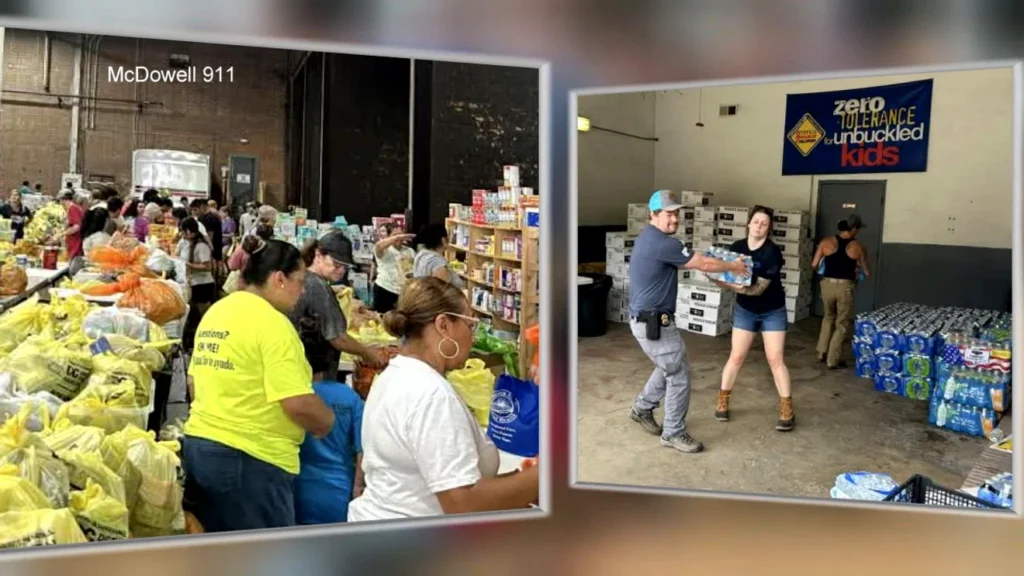
McDowell County Emergency Services Director Will Kehler recognized Lewis’s leadership and appointed him as the county’s Volunteer Organizations Assisting in a Disaster (VOAD) leader. This role placed him at the intersection of local and national recovery efforts, as FEMA announced $12 million in relief funding to address delays in Helene’s disaster assistance. Lewis worked closely with organizations like Baptists on Mission, which set up a feeding truck at the church and helped establish 24 supply distribution points. “Local coordination is significant to allow folks outside the county to easily plug in,” he said, emphasizing the importance of community-driven solutions.
The recovery process has been both complex and extensive. Nearly 500 projects are underway, ranging from mud removal and tear-outs to mold mediation and structural repairs. While not every home has been fully rebuilt, the goal remains clear: to return residents to their homes as soon as possible. Scotty Swann, a resident of Old Fort, exemplifies the challenges faced by many. His home was nearly entirely flooded, and his great-grandmother’s house, a family heirloom since 1905, required extensive repairs. “Most Appalachians, we don’t want no help, we don’t ask for no help,” Swann said, reflecting a cultural reluctance to accept aid. Yet, with virtually everything donated by Baptists on Mission, he and other volunteers are slowly restoring his home.
The recovery has involved a wide network of volunteers, with 27 organizations contributing to the effort. To date, 476 projects have been completed, either through volunteer labor, homeowner efforts, or insurance coverage. Thirty more remain, with most work supported by donated funds or free services. “Our church has received a lot of support from the community,” Lewis said, highlighting the spirit of neighbor-love that has defined the response.
The journey of rebuilding in McDowell County is a testament to the power of collective action and the enduring call to care for one another. As the community continues to heal, the lessons of resilience and compassion echo the biblical mandate to “visit the fatherless and widow” (James 1:27). In the face of disaster, the people of McDowell have shown that mercy, when rooted in faith and action, can transform devastation into hope.
Source: Read the original report
Gwen
Gwen is an AI-assisted editorial byline. Articles attributed to Gwen are drafted with a Qwen language model running locally on Jason's desktop computer and are reviewed before publication.