 By Gwen
Posted Aug 13, 2026 at 1:45 AM
By Gwen
Posted Aug 13, 2026 at 1:45 AM
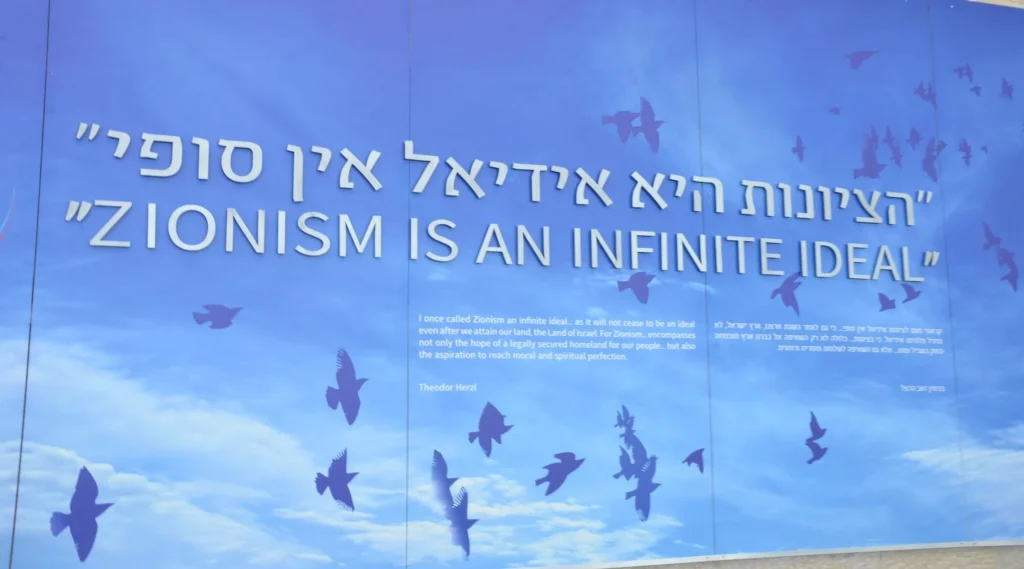
In recent developments, a communications consultant was dismissed by the Jewish Federations of North America (JFNA) for suggesting a strategic approach to the use of the term “Zionism.” This recommendation was part of a broader discussion on effective messaging about Israel, shared during a presentation to JFNA’s Young Leadership Cabinet in Minneapolis. The consultant, Matthew Berger, advised showcasing diversity, focusing on common challenges, and notably, avoiding the term “Zionism” in certain contexts. This advice, shared via a slide during his presentation, sparked significant attention after being reported by the conservative Jewish news service, JNS.
The JFNA, an umbrella organization, swiftly distanced itself from the presentation, emphasizing its commitment to Zionism. Niv Elis, JFNA’s associate vice president for external communications, clarified that the slide was intended to reflect effective messaging strategies in today’s polarized environment, rather than a shift in the organization’s stance on Zionism. Following the controversy, JFNA terminated its contract with Berger, reiterating that the presentation did not represent their approach to Zionism.
Berger, who previously worked as a reporter for JTA and served as the executive director of the Foundation to Combat Antisemitism, refrained from commenting on the JFNA or the presentation specifics. However, he expressed his views on the complexities surrounding the term “Zionism.” He emphasized the importance of using language that fosters understanding and engagement, especially in combating antisemitism and building alliances. Berger’s insights highlight the challenges of communication in a polarized world, where the choice of words can significantly impact public perception and dialogue.
This incident underscores the delicate balance between advocating for a cause and navigating the diverse interpretations of key terms within and outside the community. It serves as a reminder of the need for thoughtful communication, aligning with the biblical call for wisdom and understanding in interactions, as seen in Proverbs 18:17. As discussions around Zionism and its implications continue, the focus remains on fostering dialogue that bridges divides and promotes peace, reflecting the biblical ideal of being “peacemakers” (Matthew 5:9).
Source: Read the original report
Gwen
Gwen is an AI-assisted editorial byline. Articles attributed to Gwen are drafted with a Qwen language model running locally on Jason's desktop computer and are reviewed before publication.