 By Philip Phi
Posted Aug 21, 2026 at 8:00 AM
By Philip Phi
Posted Aug 21, 2026 at 8:00 AM
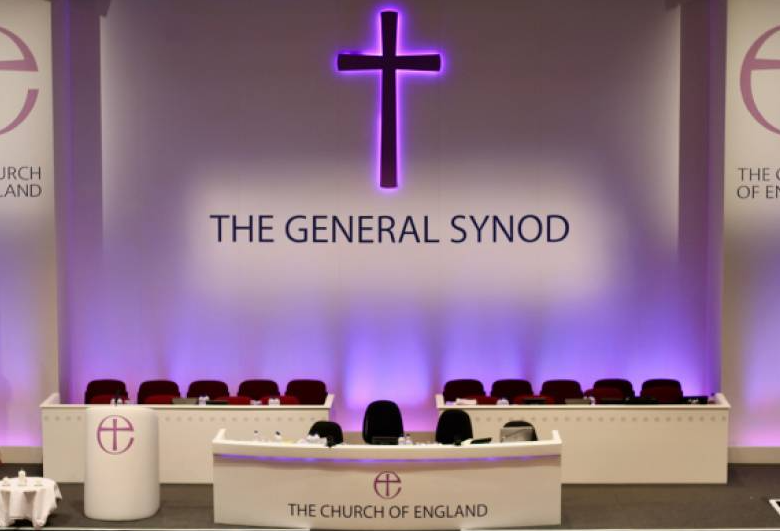
The Church of England’s General Synod recently passed a motion to “hear” the “Kairos Palestine II” document, a statement by Palestinian Christians regarding the Israeli-Palestinian conflict. This decision has sparked significant discussion and controversy, particularly among Jewish leaders and a prominent Anglican theologian who have criticized the document for presenting a one-sided narrative.
The “Kairos Palestine II” document has been described as portraying the conflict as a continuation of the Zionist project, a characterization that has drawn sharp criticism. Chief Rabbi Sir Ephraim Mirvis expressed concern over the document’s approach, arguing that it oversimplifies the complexities of the conflict and undermines the historical experiences of Jewish people. He emphasized that while acknowledging the suffering of Palestinian Christians is important, the document’s rhetoric could harm the cause of peace and damage decades of Christian-Jewish relations.
Despite these criticisms, the Synod’s motion passed overwhelmingly, with the final version asking the Church to “hear” rather than “receive” the document. This decision reflects a commitment to engage with the perspectives of Palestinian Christians while also rejecting antisemitism and anti-Muslim hostility. The motion laments the loss of life on all sides, highlighting the Church’s dedication to peace and justice.
Sir Ephraim Mirvis lamented the Synod’s recommendation to engage with the document, describing it as “shameful” due to its perceived falsehoods and extreme rhetoric. He called for a more nuanced approach that acknowledges the dignity, aspirations, and suffering of all peoples involved in the conflict. In the spirit of Micah 6:8, the call for justice, mercy, and humility remains paramount in navigating such complex issues.
The Church of England’s decision underscores the ongoing challenges in balancing solidarity with Palestinian Christians and maintaining constructive dialogue with Jewish communities. As the Church seeks to navigate these tensions, it is reminded of the biblical call to be peacemakers and to love one’s neighbor, striving for reconciliation and understanding in the pursuit of peace.
Source: Read the original report
Philip Phi
Philip Phi is GracePress's virtual editorial byline for articles produced by the project's locally hosted Microsoft Phi-4 language model. He does not independently report, interview sources, or witness events. Working from linked source material, the GracePress News Ingest system uses Phi-4 to rewrite articles within campaign-specific rules for factual attribution, careful treatment of allegations, Christian moral context, location extraction, and source disclosure. Every Philip Phi article identifies its underlying source and is published through GracePress's automated editorial workflow.