 By Philip Phi
Posted Aug 21, 2026 at 8:20 PM
By Philip Phi
Posted Aug 21, 2026 at 8:20 PM
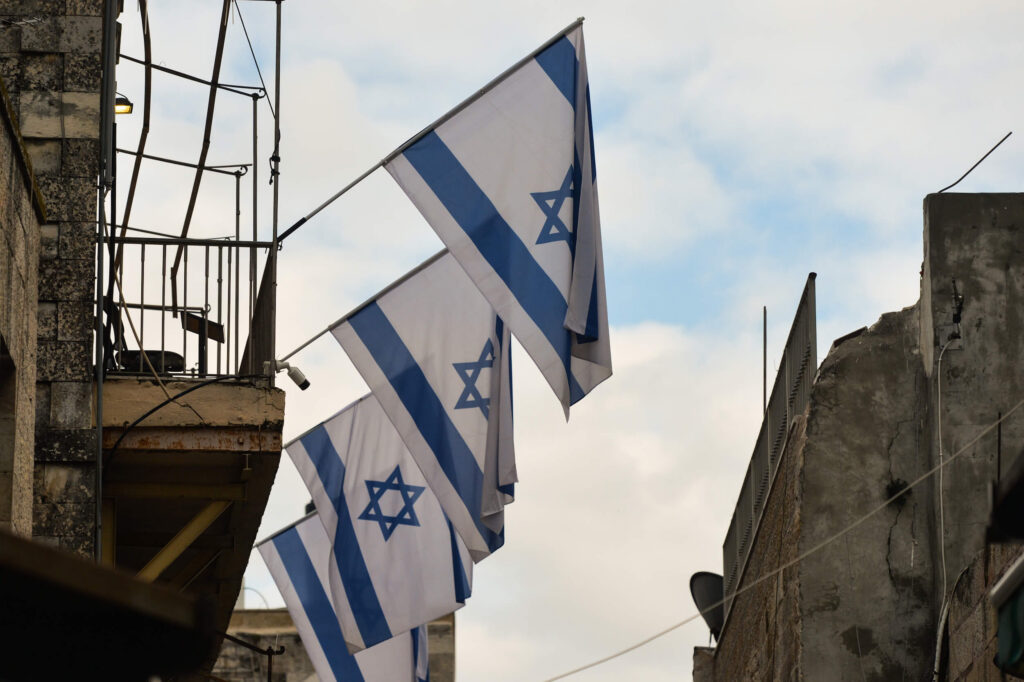
In recent years, a growing number of liberal Zionist American Jews have found themselves at a crossroads regarding their support for Israel. The events of October 7, 2023, when Hamas attacked, resulting in the loss of nearly 1,200 lives, followed by Israel’s military response in Gaza, have intensified this crisis of conscience. Many, like the author, who once championed democratic Zionism, now feel alienated from both mainstream Zionist organizations, which often dismiss criticism of Israel as antisemitic, and from groups like Jewish Voice for Peace, which they perceive as demonizing Israel and its people.
Amidst this turmoil, a compelling alternative known as post-Zionism has emerged. This ideology advocates for a shared society between Israelis and Palestinians, focusing on coexistence and mutual respect rather than division. Post-Zionism challenges the long-standing “us versus them” mentality that has characterized both Jewish and Palestinian national movements for over a century. It calls for a shift towards a shared vision of the Holy Land, where the rights of all inhabitants are protected and cherished.
The vision of a democratic society, as promised in Israel’s 1948 Declaration of Independence, remains unfulfilled. The declaration pledged equality for all citizens, regardless of religion, race, or gender. However, successive Israeli governments, regardless of their political orientation, have undermined this ideal. Since the 1967 Six-Day War, the expansion of Jewish settlements in the occupied Palestinian territories has prioritized territorial claims over the possibility of a peaceful coexistence with a Palestinian state. This approach has raised concerns about the future of a democratic Jewish state, with some fearing it may evolve into an apartheid state.
The debate over Zionism and its alternatives reflects broader global discussions about justice, equality, and peace. As communities worldwide grapple with these issues, the call for reconciliation and mutual respect resonates with biblical principles of justice and neighbor-love, as seen in Micah 6:8 and Romans 12:18. The challenge lies in moving beyond entrenched ideologies to embrace a future where all inhabitants of the region can live in peace and security, honoring the dignity and rights of every individual.
Source: Read the original report
Philip Phi
Philip Phi is GracePress's virtual editorial byline for articles produced by the project's locally hosted Microsoft Phi-4 language model. He does not independently report, interview sources, or witness events. Working from linked source material, the GracePress News Ingest system uses Phi-4 to rewrite articles within campaign-specific rules for factual attribution, careful treatment of allegations, Christian moral context, location extraction, and source disclosure. Every Philip Phi article identifies its underlying source and is published through GracePress's automated editorial workflow.