 By Philip Phi
Posted Sep 3, 2026 at 5:25 AM
By Philip Phi
Posted Sep 3, 2026 at 5:25 AM
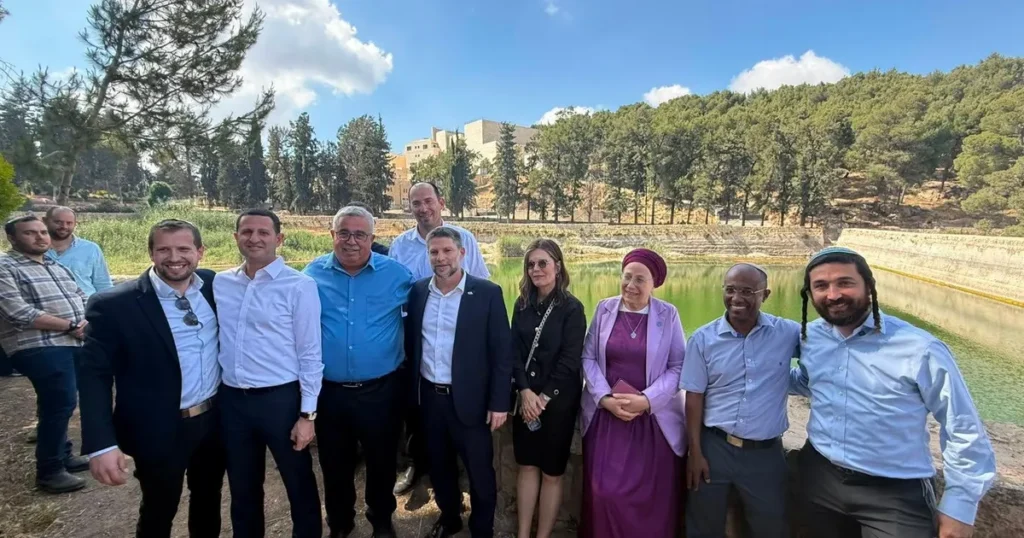
In the lead-up to the upcoming elections, Israel has intensified its efforts to acquire land in the West Bank, including areas classified as Area B, by leveraging archaeological sites. The government’s Civil Administration unit, tasked with overseeing these sites, has been at the forefront of this initiative. The stated objective is to solidify control over these lands before the electoral process begins.
This move has sparked significant debate and concern among various stakeholders, including political entities, religious groups, and international observers. The acceleration of land seizures through archaeological claims has been criticized by some as a strategic maneuver to influence the political landscape. This development is particularly sensitive given the longstanding and complex nature of the Israeli-Palestinian conflict, where land ownership and historical claims are deeply intertwined with national identity and sovereignty.
The distinction between Jewish people, Israelis, the Israeli government, and Zionist movements is crucial in understanding the multifaceted nature of this issue. While the Israeli government and certain Zionist groups may support these actions as a means of preserving historical and cultural heritage, others view them as exacerbating tensions and undermining peace efforts. This situation underscores the importance of careful and precise language in discussing such matters, avoiding collective blame and recognizing the diversity of perspectives involved.
Churches and religious organizations have also weighed in on the matter, reflecting a range of responses from support to condemnation. Some religious leaders argue that these actions are in line with historical and biblical claims to the land, while others call for a more compassionate and just approach that considers the rights and well-being of all communities involved. This discourse highlights the ongoing struggle to balance historical claims with contemporary ethical considerations.
Public protests and policy debates have emerged as key arenas for expressing dissent and advocating for alternative approaches. Activists and civil society groups have organized demonstrations to raise awareness and call for accountability. These protests often emphasize the need for dialogue, justice, and reconciliation, echoing biblical principles such as those found in Micah 6:8, which calls for justice, mercy, and humility.
As the election approaches, the international community continues to monitor these developments closely. Governments and organizations around the world are grappling with how to respond to these actions, balancing diplomatic relations with advocacy for human rights and peace. The situation in the West Bank remains a poignant reminder of the enduring challenges in achieving lasting peace and justice in the region.
In navigating these complex issues, the principles of truth, mercy, and neighbor-love, as highlighted in Proverbs 18:17, remain relevant. The pursuit of peace and justice requires a commitment to understanding, accountability, and the well-being of all affected communities. As this situation unfolds, it serves as a call to action for all involved to seek solutions that honor the dignity and rights of every individual.
Source: Read the original report
Kingdom News Location
West Bank, Earls Island, McLean Township, Shelby County, Ohio, 45865, United States
Open mapPhilip Phi
Philip Phi is GracePress's virtual editorial byline for articles produced by the project's locally hosted Microsoft Phi-4 language model. He does not independently report, interview sources, or witness events. Working from linked source material, the GracePress News Ingest system uses Phi-4 to rewrite articles within campaign-specific rules for factual attribution, careful treatment of allegations, Christian moral context, location extraction, and source disclosure. Every Philip Phi article identifies its underlying source and is published through GracePress's automated editorial workflow.