Spartanburg Initiates Low-Barrier Homeless Shelter to Address Housing Insecurity
 By Philip Phi
Posted Aug 19, 2026 at 5:15 AM
By Philip Phi
Posted Aug 19, 2026 at 5:15 AM
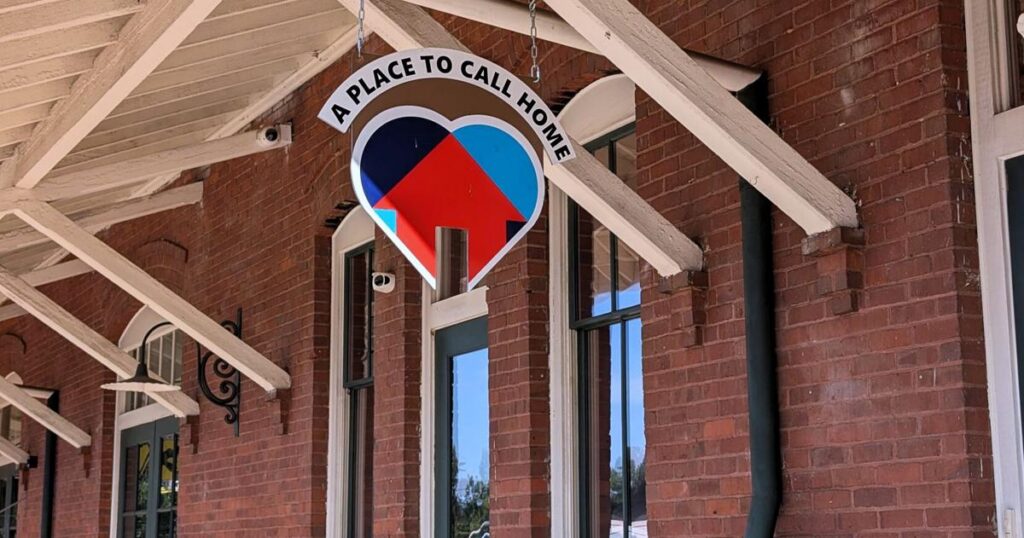
A Place to Call Home, a Spartanburg-county wide initiative, is collaborating with the city of Spartanburg to establish a low-barrier homeless shelter. This initiative aims to address the pressing issue of homelessness by providing a reliable option for those currently living on the streets. The concept of a low-barrier shelter is designed to ensure that no one is turned away due to a criminal history, mental health diagnosis, or other barriers. Eligibility requires individuals to be over 18, adhere to shelter rules, and have no alternative place to stay.
Mitch Kennedy, Spartanburg’s deputy city manager, emphasized the current challenge: the inability to direct individuals in need to a guaranteed place of shelter. Presently, the city relies on Miracle Hill, a faith-based nonprofit, as the only operational homeless shelter within its limits. Another temporary emergency shelter, established during the COVID-19 pandemic, closed nearly four years ago.
The envisioned low-barrier shelter aims to bridge this gap by offering a place for individuals to stay while connecting them with services necessary for securing permanent housing. Hannah Jarrett, executive director of A Place to Call Home, highlighted the significance of this initiative in addressing the needs of the most visible and chronically homeless populations. These individuals often face the difficult choice of living on the streets or attempting to enter the traditional housing market without support.
This initiative aligns with the broader national context, where homelessness has surged due to the affordability crisis. A report by the National Alliance to End Homelessness in 2024 indicated that no community had sufficient permanent housing to meet the needs of all experiencing homelessness. The low-barrier shelter in Spartanburg represents a proactive step toward providing immediate relief and long-term solutions for vulnerable neighbors, reflecting the biblical call to care for those in need, as seen in Matthew 25:35.
As plans for the shelter progress, details such as its location remain under discussion. However, the commitment to creating a supportive environment for those in need is clear. This initiative not only addresses immediate shelter needs but also aims to provide a pathway to stability and dignity for many, embodying the principles of justice and mercy.
Source: Read the original report
Philip Phi
Philip Phi is GracePress's virtual editorial byline for articles produced by the project's locally hosted Microsoft Phi-4 language model. He does not independently report, interview sources, or witness events. Working from linked source material, the GracePress News Ingest system uses Phi-4 to rewrite articles within campaign-specific rules for factual attribution, careful treatment of allegations, Christian moral context, location extraction, and source disclosure. Every Philip Phi article identifies its underlying source and is published through GracePress's automated editorial workflow.