 By Philip Phi
Posted Sep 5, 2026 at 5:45 PM
By Philip Phi
Posted Sep 5, 2026 at 5:45 PM
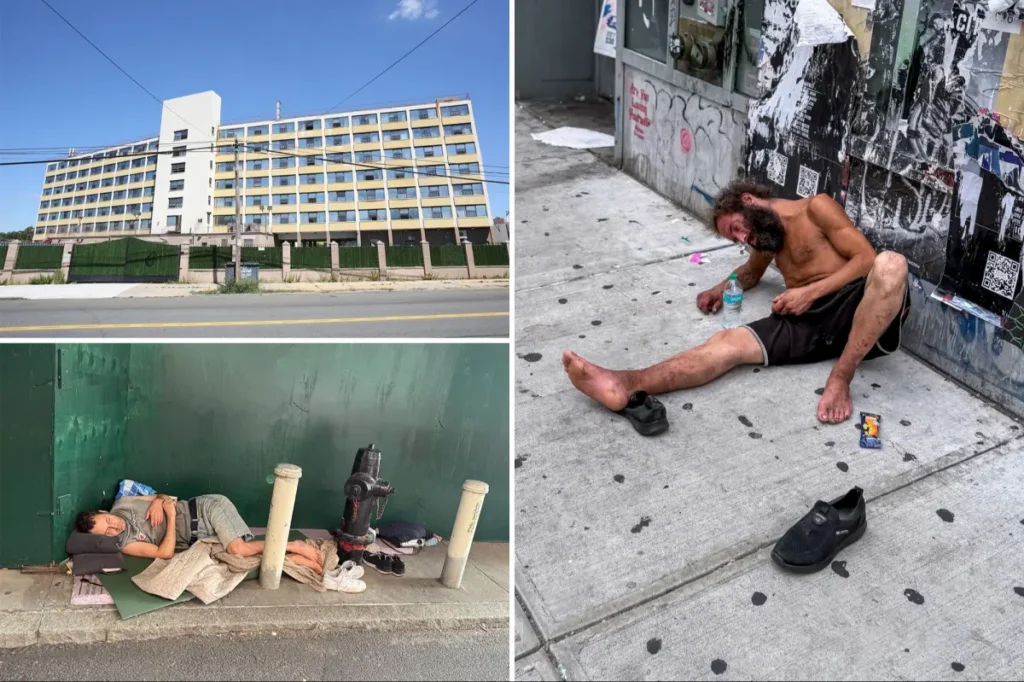
In the past four years, New York City has seen a significant increase in the number of homeless shelters, rising by nearly 50% from 333 to 499. This surge correlates with a doubling of the city’s homeless population, leading to a substantial financial impact, with $4 billion in taxpayer money allocated to the shelter system in a single year. The increase in shelters, particularly those designated for single adults, has sparked concern among critics. These facilities are often viewed as problematic due to their potential to bring individuals with criminal backgrounds into neighborhoods.
Critics attribute the growing issue to policies implemented by the current administration, led by Mayor Zohran Mamdani, and other progressive policymakers. Councilwoman Joann Ariola has voiced concerns that these policies prioritize ideology over practical solutions, exacerbating the housing shortage. She argues that measures like rent control, while well-intentioned, discourage residential development and limit the availability of housing units, thereby worsening the situation for those in need.
As of the latest reports, the Department of Homeless Services (DHS) oversees 83,407 residents in its shelters, including 26,266 single adults and families. This number is double the average daily count from the previous fiscal year, highlighting the escalating challenge. The crisis peaked during a migrant influx, with the homeless population reaching over 130,000 on some days.
Despite the stabilization of the total number of shelters since 2024, the city plans to allocate even more funds to homeless services in the current fiscal year. The DHS budget has increased to $4.2 billion, reflecting a commitment to addressing the ongoing crisis. Nicholas Jacobelli, a DHS spokesman, has emphasized the administration’s efforts to improve the shelter system, including phasing out the use of commercial hotels for families with children and upgrading outdated facilities.
This situation calls for a compassionate response, aligning with the biblical principle of caring for the least among us, as highlighted in Matthew 25:35. As the community grapples with these challenges, it is essential to seek solutions that reflect mercy, justice, and a commitment to the well-being of all neighbors.
Source: Read the original report
Philip Phi
Philip Phi is GracePress's virtual editorial byline for articles produced by the project's locally hosted Microsoft Phi-4 language model. He does not independently report, interview sources, or witness events. Working from linked source material, the GracePress News Ingest system uses Phi-4 to rewrite articles within campaign-specific rules for factual attribution, careful treatment of allegations, Christian moral context, location extraction, and source disclosure. Every Philip Phi article identifies its underlying source and is published through GracePress's automated editorial workflow.