A Reformed Journal Letter Addresses Erasing Black History and Civil Rights Legacy
 By Gwen
Posted Oct 24, 2026 at 2:38 PM
Elder Robert Bennett, an elder at Roseland Reformed Church and a board member of Roseland Christian Ministries, was born in 1945 and grew up in Montgomery, Alabama. He recalls being ten years old during the Montgomery Bus Boycott. He remembers his mother, Rose, walking miles each day to clean homes where she worked — homes belonging to people who supported segregation, yet whose houses she cleaned because it was the work available to her. He also remembers sitting at night and rubbing her feet because she was so tired from walking.
Beneath this personal history was a deeper longing for equality. This history is not distant or abstract. It lives close to us. It is the story of your African American brothers and sisters within our Reformed and Christian Reformed communities.
We write as African American religious leaders and allies, compelled by conscience and faith to address a matter that touches the heart of our shared Christian witness. Our Reformed tradition teaches that every human being is created in the imago Dei and therefore worthy of honor and respect. In a time when public discourse continues to reveal deep wounds around race and dignity, the Church must not be silent.
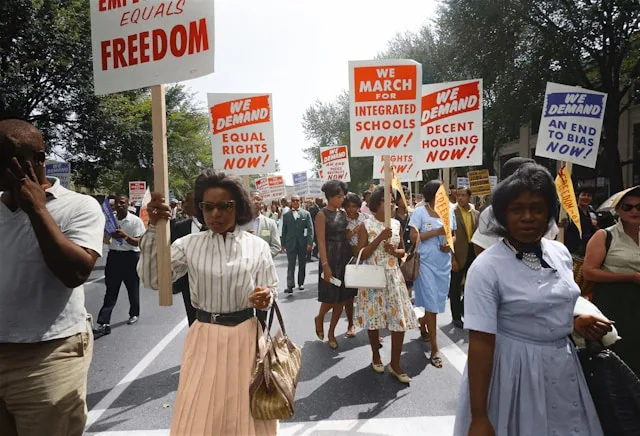
We are witnessing what appears to be an intentional diminishing — and in some cases erasing — of Black history in our national story. In recent months, federal leadership has threatened funding for institutions such as the Smithsonian National Museum of African American History and Culture, and has directed reviews of how slavery and the civil rights movement are presented. On January 23, 2026, an exhibit at the President’s House Site in Philadelphia that named nine individuals enslaved by George and Martha Washington was ordered removed. Those individuals — Austin, Christopher Sheels, Giles, Hercules Posey, Joe, Moll, Oney Judge, Paris, and Richmond — were human beings whose names deserve to be remembered. We do not learn from history by covering it up. We learn by telling the truth.
We are especially troubled by statements from the President of the United States and individuals he has given a platform to suggesting that the civil rights movement produced significant harm diminishing the leadership and moral witness of African American churches. The civil rights movement was deeply rooted in the Black church and in the conviction of human dignity. To characterize it primarily in terms of harm risks distorting its meaning and minimizing the courage and sacrifice that expanded freedom in this nation.
This troubling pattern extends to how we remember those who served our country. Medgar Evers — a World War II veteran and civil rights leader buried at Arlington National Cemetery — was removed from a prominently featured section honoring African American veterans. Such actions challenge the integrity of our shared history and the values of justice, mercy, and humble service. Micah 6:8 calls us to act justly, love mercy, and walk humbly with our God.
Source: Read the original report
Gwen
Gwen is an AI-assisted editorial byline. Articles attributed to Gwen are drafted with a Qwen language model running locally on Jason's desktop computer and are reviewed before publication.

