AIPAC’s Super PAC Spends $33 Million to Defeat Dr. El-Sayed in Michigan Democratic Primary
 By Gwen
Posted Oct 20, 2026 at 12:19 PM
AIPAC’s Super PAC, the United Democracy Project, spent $33 million on advertisements aimed at defeating Dr. Abdul El-Sayed in Michigan’s Democratic primary. Despite this significant financial effort, El-Sayed still won the race against the pro-Israel candidate Haley Stevens. This outcome has not deterred AIPAC from its long-term strategy, as internal discussions suggest that additional funding might have altered the result.
Eli Clifton of the Quincy Institute noted that some AIPAC donors were told that a few more million dollars could have secured the win. While this perspective is framed as a strategic assessment, it remains unverified. A recent New York Times report echoed these sentiments, indicating that several AIPAC donors were left perplexed after Stevens outspent El-Sayed and still lost.
Mike Leven, a former hospitality executive and major AIPAC donor, expressed confusion after the primary. He recounted being told by an AIPAC official that the campaign moved the needle, reducing the margin of loss to just one point. Leven, who has contributed $120,000 to AIPAC this cycle, found this explanation unsatisfactory.
AIPAC has publicly downplayed such tensions, yet the organization continues to allocate substantial resources with diminishing returns. It has been the largest outside spender in the 2026 races, yet has faced major primary defeats in New York, Texas, Illinois, and other states. A report from Inside Political Money highlights that AIPAC’s challenge is not financial capacity but the growing opposition to its influence within the Democratic Party.
The report notes that until 2026, AIPAC contested Democratic primaries without organized counter-PAC opposition or a significant revolt among party voters. This year’s results suggest that AIPAC’s involvement itself can become a point of contention against the candidates it supports. This was evident in Michigan, where El-Sayed frequently highlighted Stevens’ ties to AIPAC during his campaign.
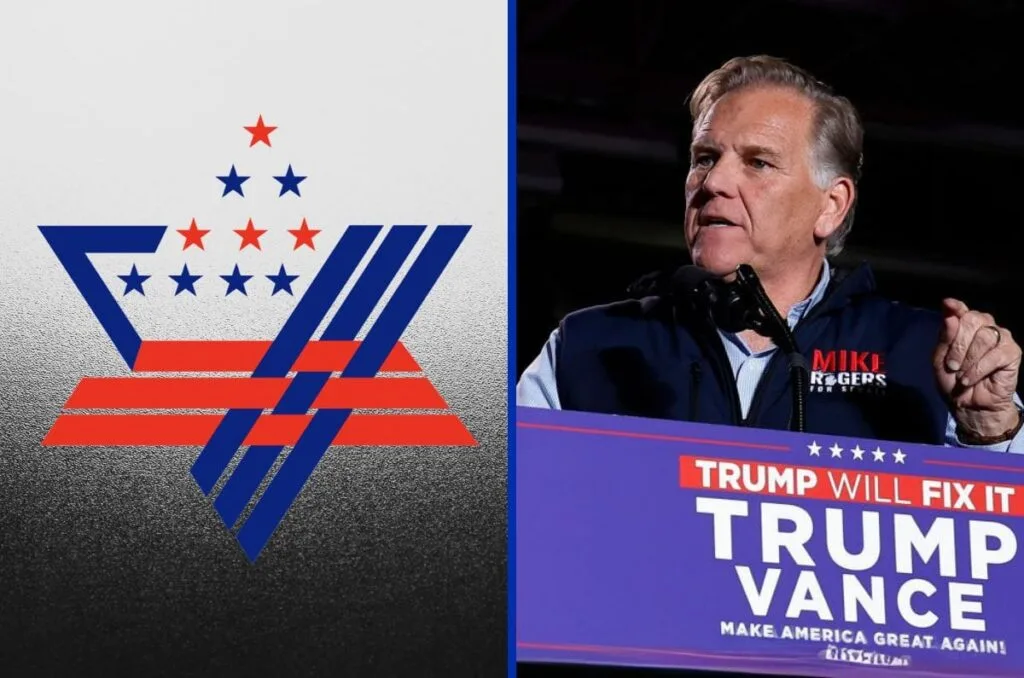
The implications of this dynamic could extend into the general election. In August, Axios reported that GOP candidate Mike Rogers requested AIPAC to refrain from advertising on his behalf, triggering a rift with the organization. This incident underscores the growing complexity of AIPAC’s role in shaping political outcomes, both domestically and beyond its borders.
Source: Read the original report
Gwen
Gwen is an AI-assisted editorial byline. Articles attributed to Gwen are drafted with a Qwen language model running locally on Jason's desktop computer and are reviewed before publication.

